5 Ways To Make Your Firewood Burn Longer

Short answer: Firewood burns longer when it is dense, aged to 10-15% moisture, paced instead of piled on, and given steady airflow over a bed of coals. Get those four right, and one load holds heat for hours instead of burning down in forty minutes.
Often, when cooking with a smoker, you need to cook or smoke your food for hours at a time. However, this can be difficult if you are unsure how to maximize the performance of your cooking wood and keep it burning efficiently for as long as required. The same problem shows up in a fireplace or wood stove during the winter months. Here are five ways to make your firewood burn longer.

#1 Pace Your Firewood
The first step is learning how to best build your fire to keep it from burning out. While it may seem easy to just toss in a few logs and light them up, you want to start small and add on over time. While you may think adding a lot of fuel will mean a longer-lasting fire, you will actually just be making a bigger, more intense fire. Instead, gradually adding cooking wood as necessary will maintain a strong and steady heat for consistent, well-cooked results.
A loading order that works in a fire pit or a log burner:
-
Start with kindling and smaller pieces of wood to get a fire going.
-
Add two or three medium splits once that is burning steadily.
-
Wait for a bed of coal to form, two to three inches deep.
-
Add your larger logs on top of those embers, tight against each other.
-
Reload on coals, not on a dying flame. Larger logs catch faster there and settle into a slow burn.
That last tip is the one most people skip. A log dropped onto a fading fire restarts the whole ignition cycle. Dropped onto live embers, it is already halfway there.
Fireplaces and Wood Stoves
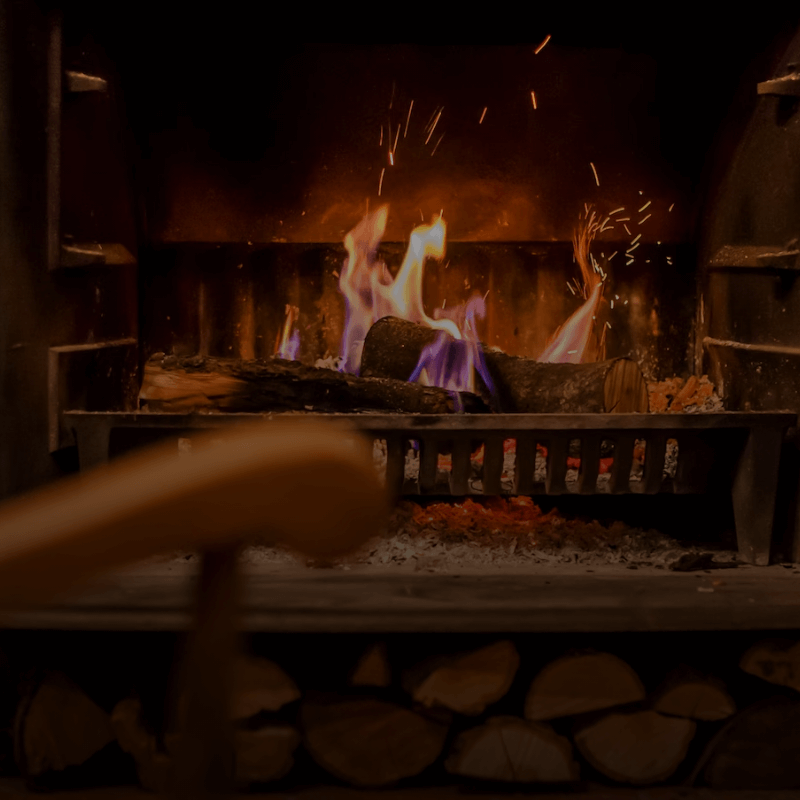
The same logic applies to a wood stove or log burner at home. With larger pieces on a hot bed of embers and air intake backed off to about a quarter open, you can hold an extended fire overnight. Choking a wood burner down completely produces smoke, creosote, and less heat, not an extended fire.
#2 Know the Types of Wood
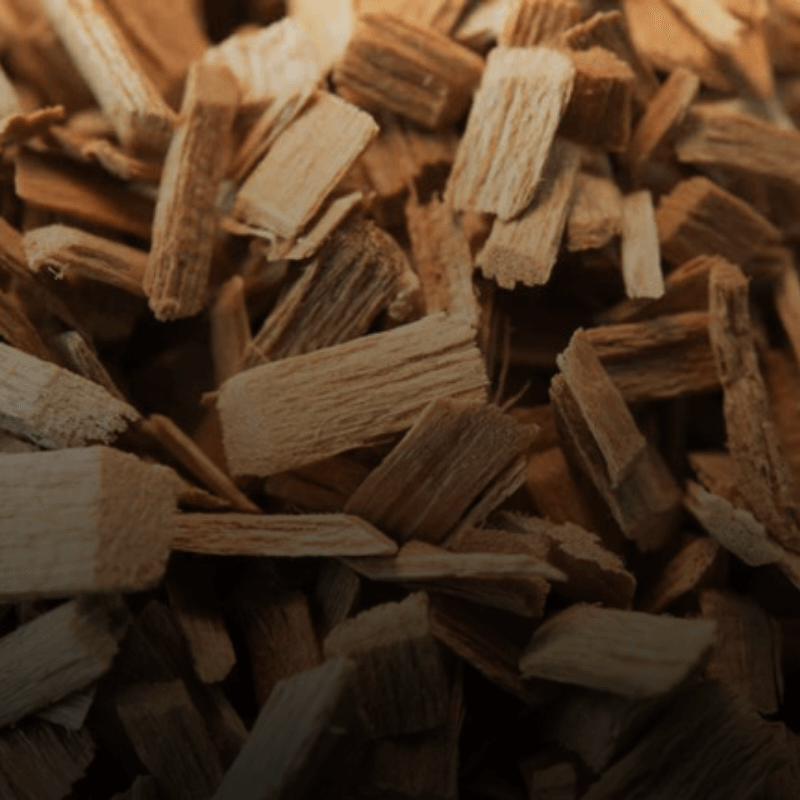
The type of wood you use can alter the flavor profile of your meat and affect how much heat is produced. For example, post oak cooking wood is one of the most popular types of long-lasting firewood because of its high BTU (the amount of heat required to raise the temperature of one pound of water by one degree Fahrenheit). This quality ensures that oak cooking wood burns for longer than other types, providing long-lasting and consistent heat with less maintenance.
Density drives that. Here is how our core species stack up:
-
Post oak. The Texas standard. Dense, high BTU, long coal life, mild smoke. Best all-around pick for long cooks and for a wood stove.
-
Hickory. Comparable heat to oak with a stronger smoke profile.
-
Pecan. Lighter and milder. Burns a little faster, which suits shorter cooks.
-
Mesquite. Hot and fast with heavy flavor. Common on the grill and in steakhouses, which want dry wood for heat more than smoke.
Softwoods and mill scrap light easily and disappear just as fast. Keep them out of the fire ring if burn time is what you are after. A denser log means a longer burn.

#3 Season Your Wood
Well-seasoned wood lights more easily and burns with less smoke than uncured wood. Seasoning your wood is one of the best ways to make your firewood burn more efficiently, but it does require some long-term planning. Wood requires six months to a year for the sun and wind to adequately season it, depending on the climate where you live.
The target is 10-15% moisture. Wet wood spends its first stretch boiling off water instead of putting out heat, which is one of the most common reasons a fire will not hold. Too far the other way is also a problem: wood stripped to almost no moisture burns fast and gives very little smoke.
How to tell if your wood is ready:
-
Cracks radiating out from the end grain
-
Bark loosening or falling off
-
A hollow, higher-pitched knock when two splits are struck together
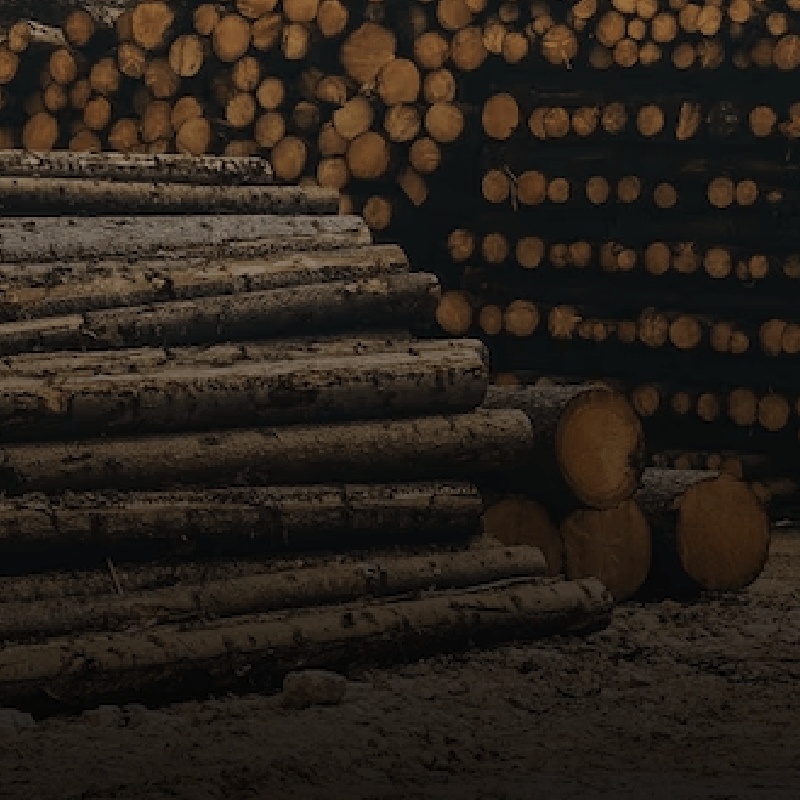
Storage tip: stack it off the ground, cover the top, and leave the sides open. A fully wrapped tarp holds humidity against the wood and undoes a year of aging. Keep the pile out of a dark place with no air movement.
#4 Improve Airflow
Oxygen is the driver of a healthy fire. Good, consistent airflow will ensure your cooking wood burns hot and clean. So when you close the lid, ensure your grill's intake is clear of debris and dust so that the airflow does not become obstructed.
Airflow is also your throttle. A wide open air intake gives tall flames, fast fuel consumption, and heat straight out of the stack. It is useful for the first 20 minutes, but wasteful after that.
-
Offset smokers: run the intake open enough for clean smoke and manage temperature there, not at the exhaust.
-
Charcoal grill and kamado setups: the bottom vent controls the burn. Small adjustments, then wait.
-
Wood stove: open on reload; back off once the new log is charred black.
-
Fire pit or fire ring: no damper, so stack tighter and add a windbreak upwind, which in dry conditions also keeps embers where they belong.
Watch the smoke. Clean smoke is thin and almost clear. Dark, heavy smoke means the fire is starved or the wood is wet.
#5 Keep Your Grill Clean
Always keep your grill clean and clear of ash, soot, and debris from previous cooking wood. Ash and soot buildup can smother the flames of your cooking wood and hinder the efficiency of how well the heat transfers. The ash and soot can also clog the air intake and make it difficult for your fire to get the oxygen it needs.
A short routine protects your fuel supply and your burn time:
-
Shovel ash out of the firebox between cooks, leaving a thin layer to insulate.
-
Clear the intake vents and check the exhaust for buildup.
-
Check gaskets and seals. A leaking door on a wood burner pulls air you cannot control.
Why Where Your Wood Comes From Matters
ButlerWood has supplied cooking wood and firewood out of Central Texas for about 21 years. We clear the land ourselves, run our own trucks, and process every order at our yards. Nothing is bought from a broker and relabeled. Every stick is hand-sorted, and the rejects get pulled before they reach a customer. That is hard work, and it is how moisture, species, and split size stay the same order to order. Consistent wood makes burn time predictable, which means you buy by volume, not by a label on a bundle.
Browse cooking wood by species, grab a cook wood box for a weekend cook, or pick up firewood for your fireplace or fire pit. We deliver across Texas and ship to all 50 states. Restaurants and high-volume buyers can call the yard, and we will calculate your burn rate, then build a delivery schedule around it so you never run out mid-service.

Frequently Asked Questions
What type of wood burns the longest? +
Dense hardwoods. Post oak and hickory hold a coal bed the longest, which is why they are the standard for long cooks and for a wood stove. Pecan and mesquite burn faster.
How long does firewood burn? +
One large split on a good bed of embers usually holds for one to two hours in a wood stove or offset. Density, moisture, split size, and airflow all move that number.
How do I make a fire last longer in a fireplace? +
Use aged hardwood, load larger pieces onto an established bed of coals, and back the air intake to about a quarter open once the wood catches. Do not close it all the way.
Does wet wood burn slower? +
It takes longer to get going but produces far less usable heat, more smoke, and more creosote. That is not the same as an extended fire. Aim for 10-15% moisture.
What is the difference between a cord and a face cord? +
A full cord is 128 cubic feet, stacked four by four by eight. A face cord is one row of that stack, often about a third of the volume. We sell true cords, so compare cubic footage before price.