Premium Cooking Wood for Smoking, Grilling, and BBQ
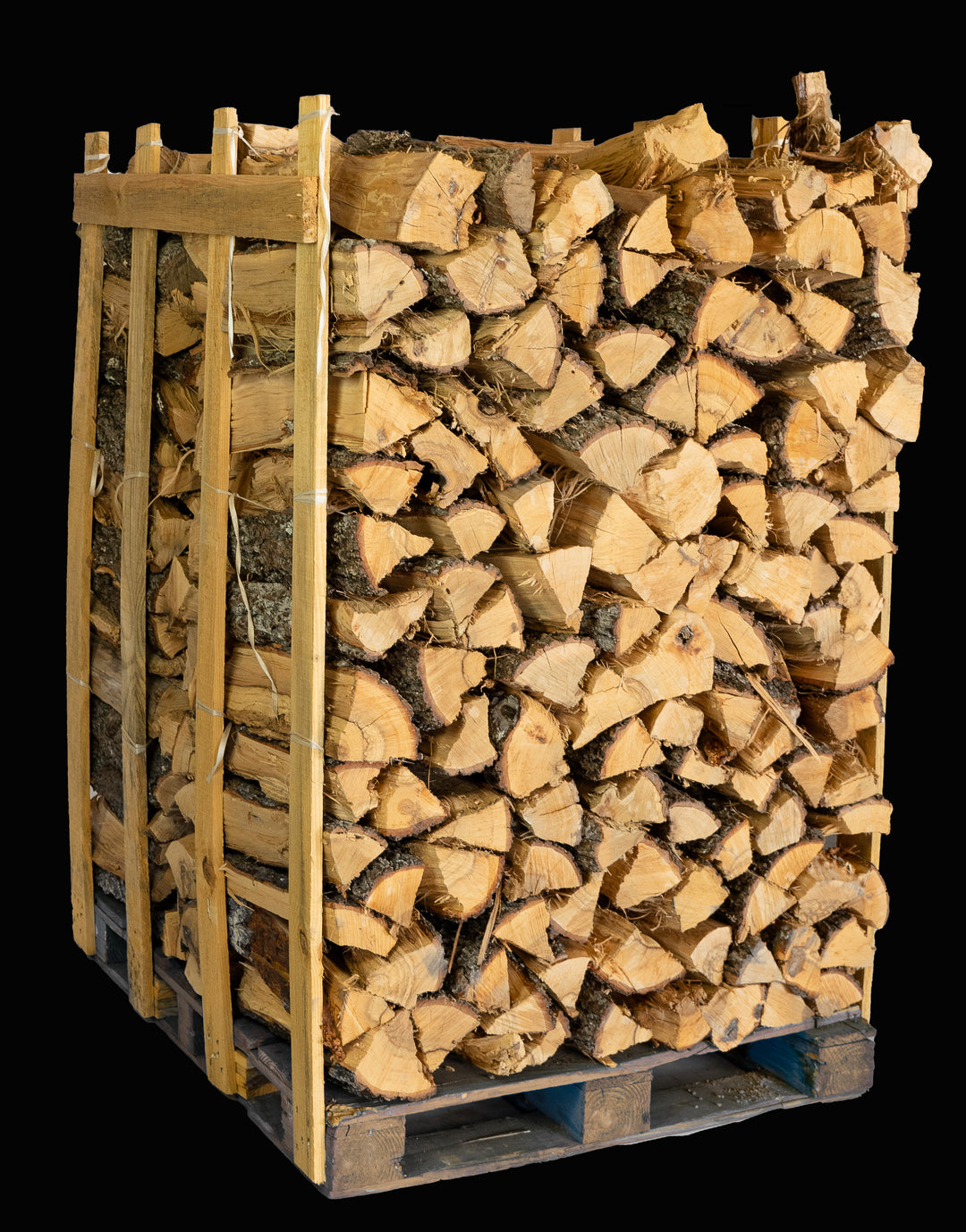
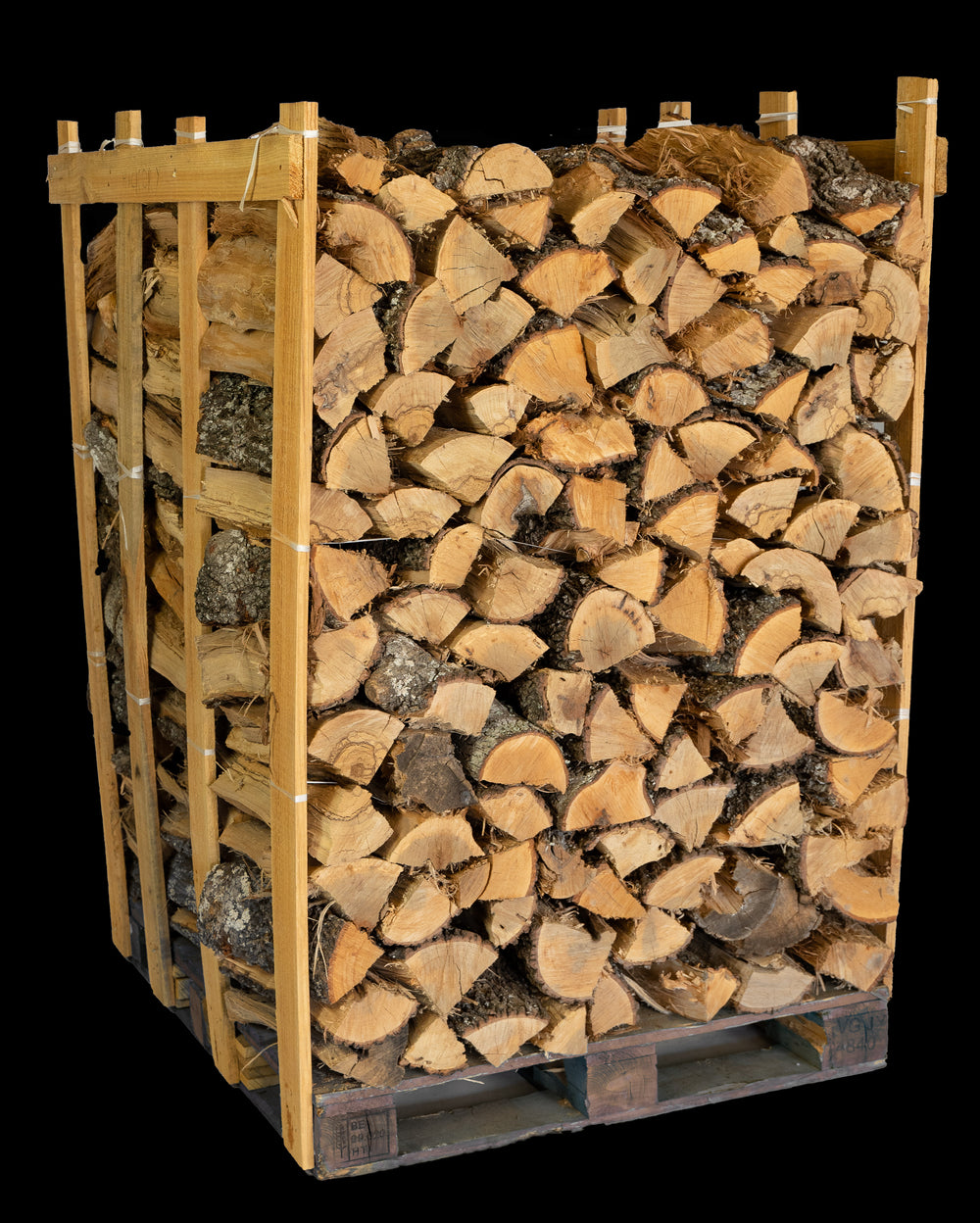
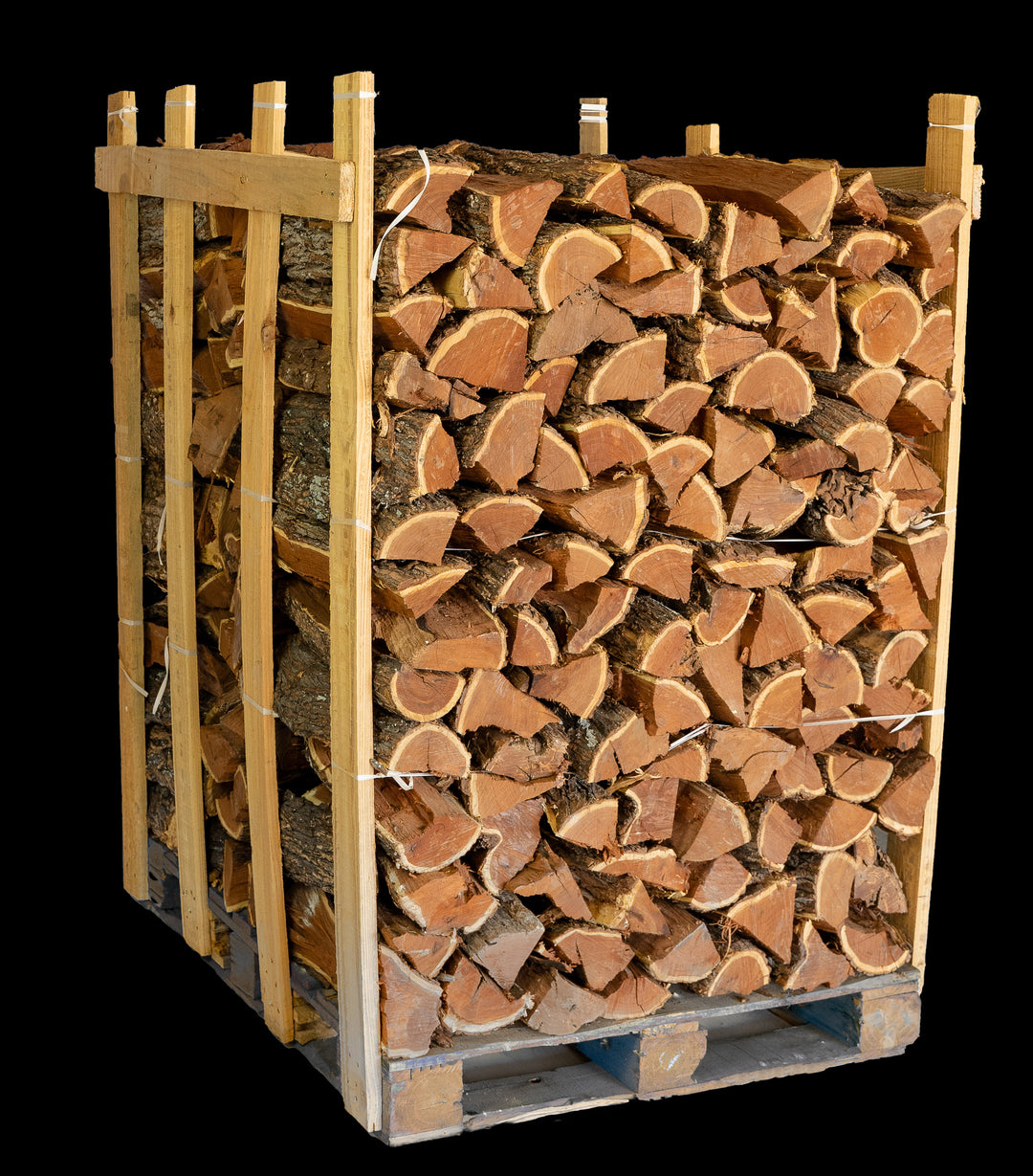
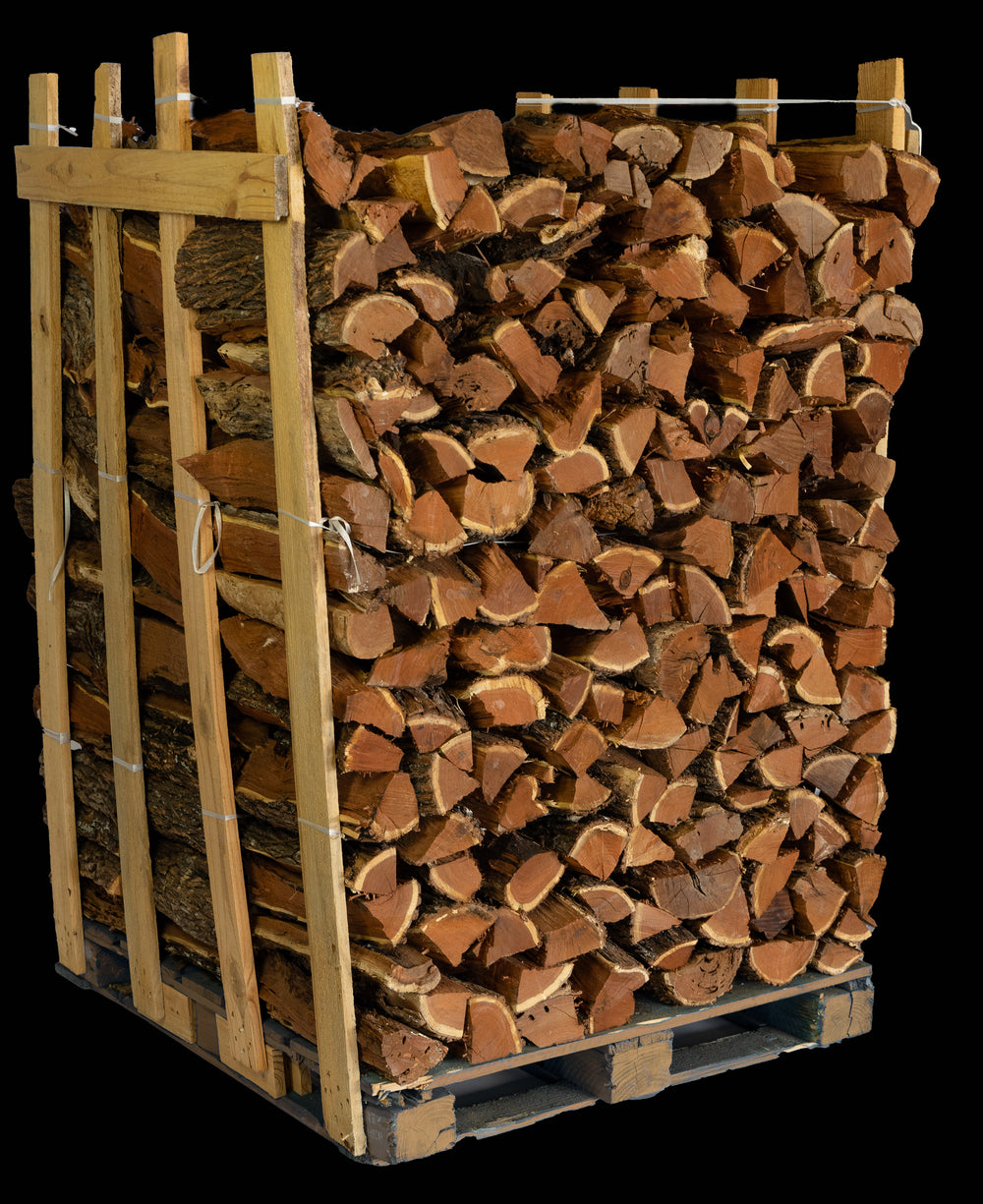
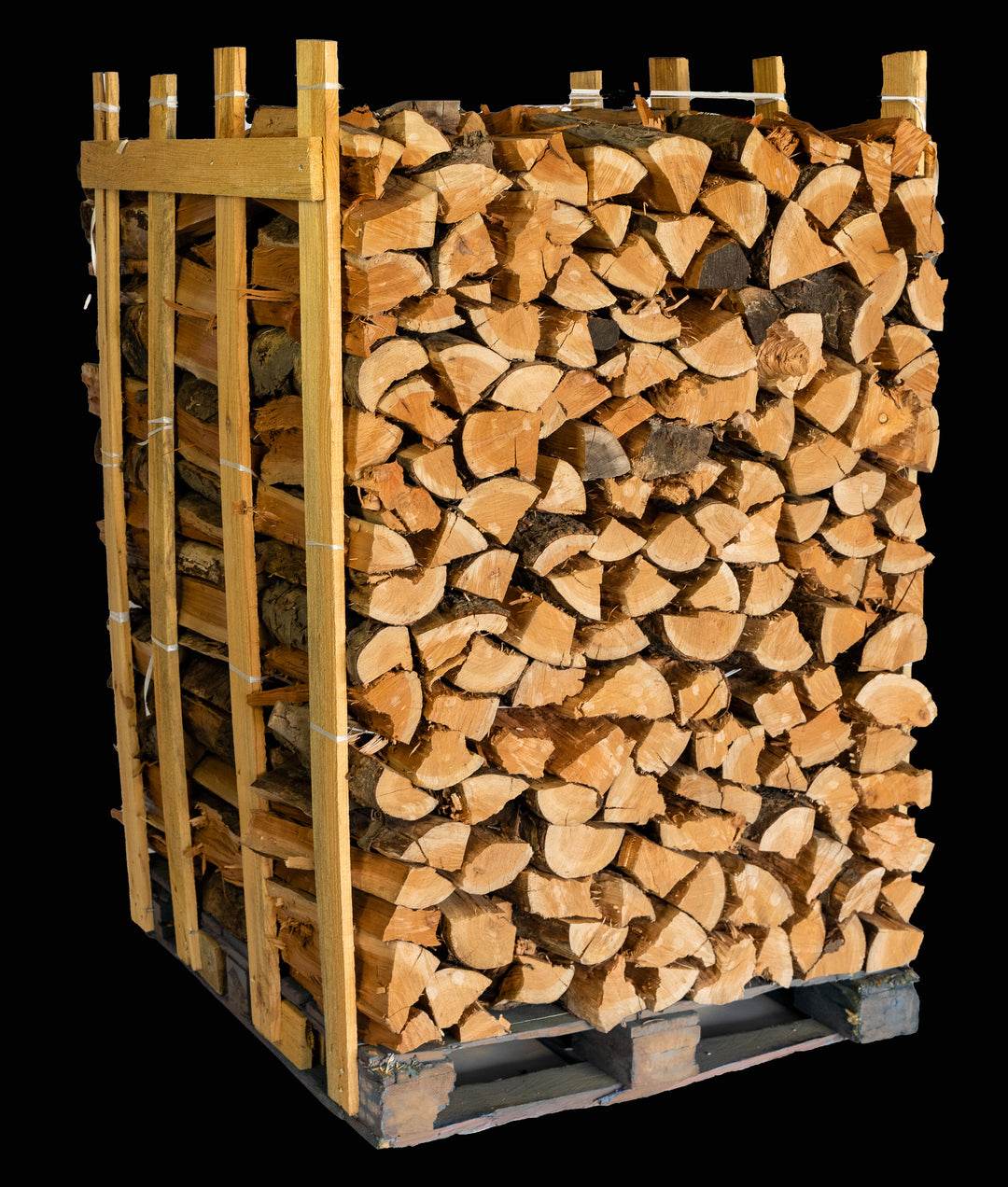
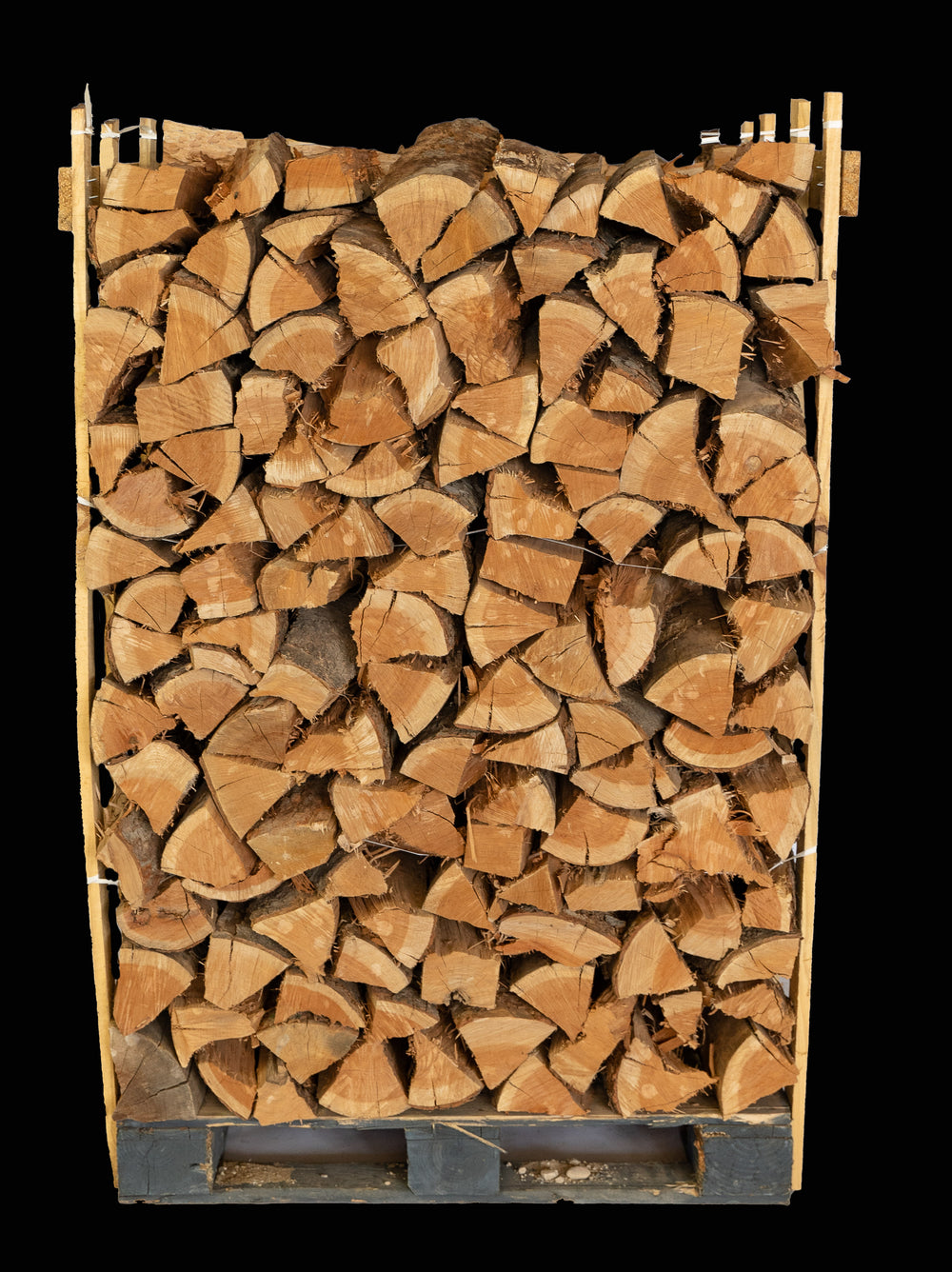
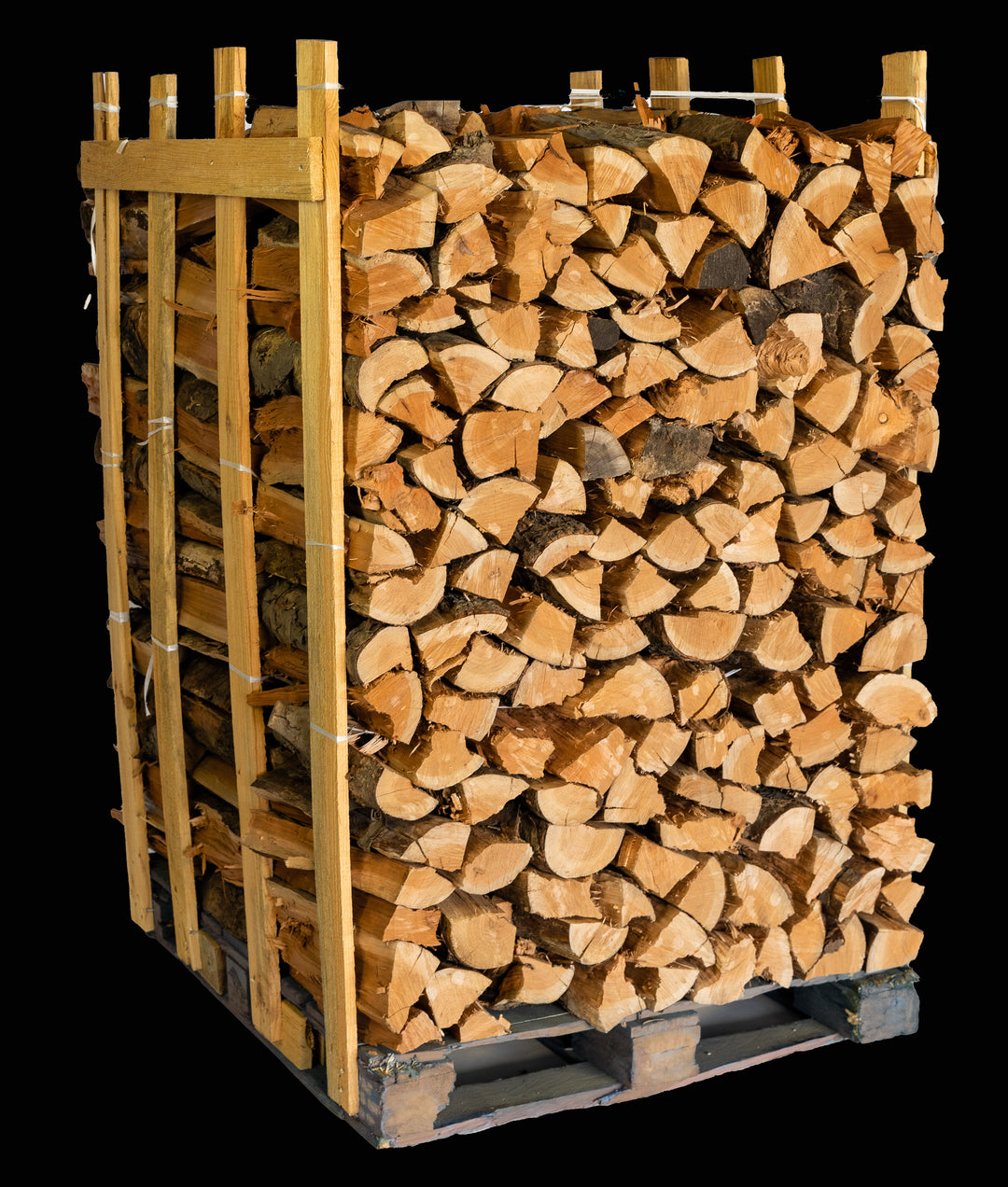
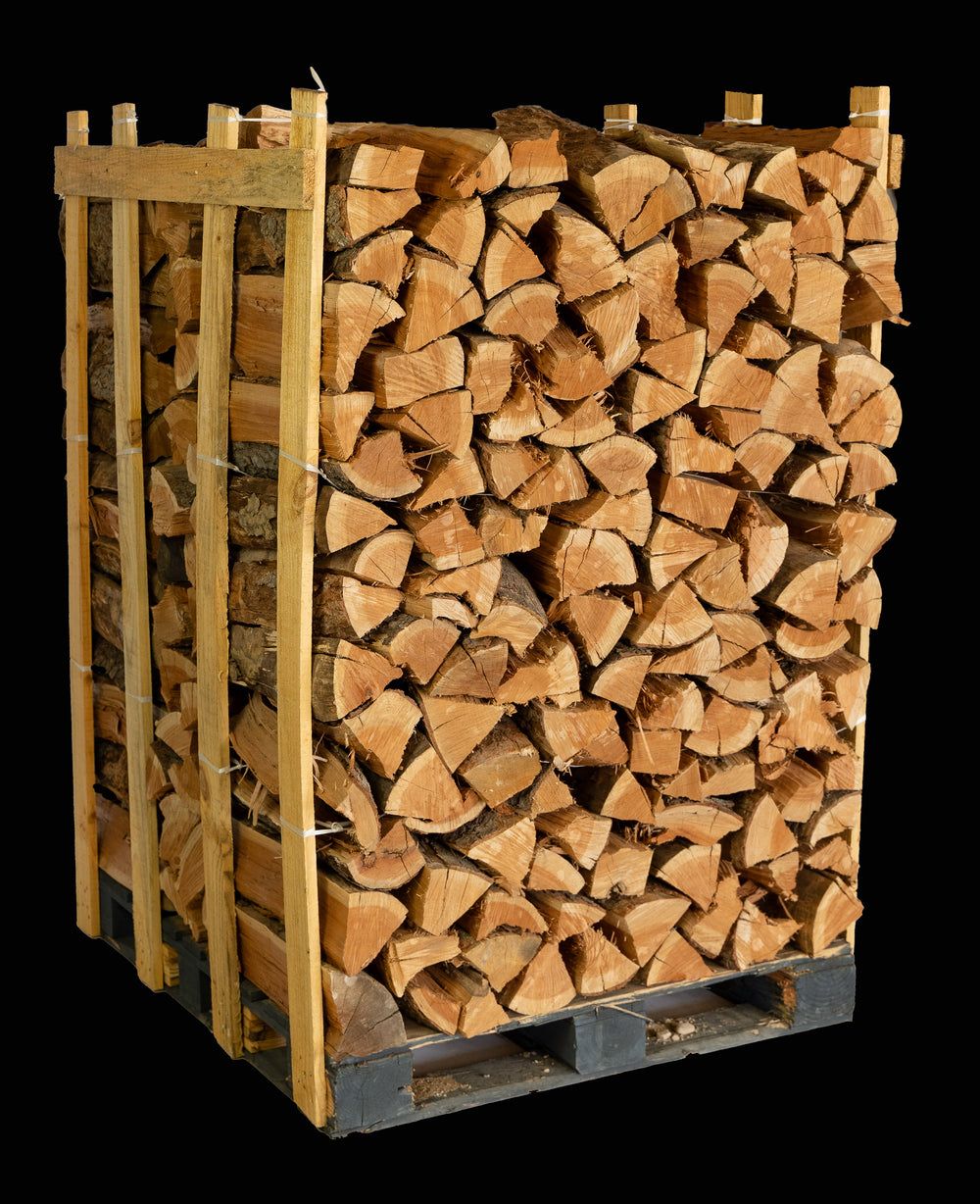
ButlerWood cooking wood is naturally aged then heat-treated hardwood sourced, cut, and processed on our own Central Texas land. Every box, split, and pallet starts with healthy trees harvested through our in-house land clearing operation, then ages naturally in the Texas sun before heat treatment to a minimum of 160°F for 75 minutes per USDA schedule T314-c, so the wood that shows up at your pit, wood-fired oven, or smoker is consistent, low in moisture content, and ready to burn.
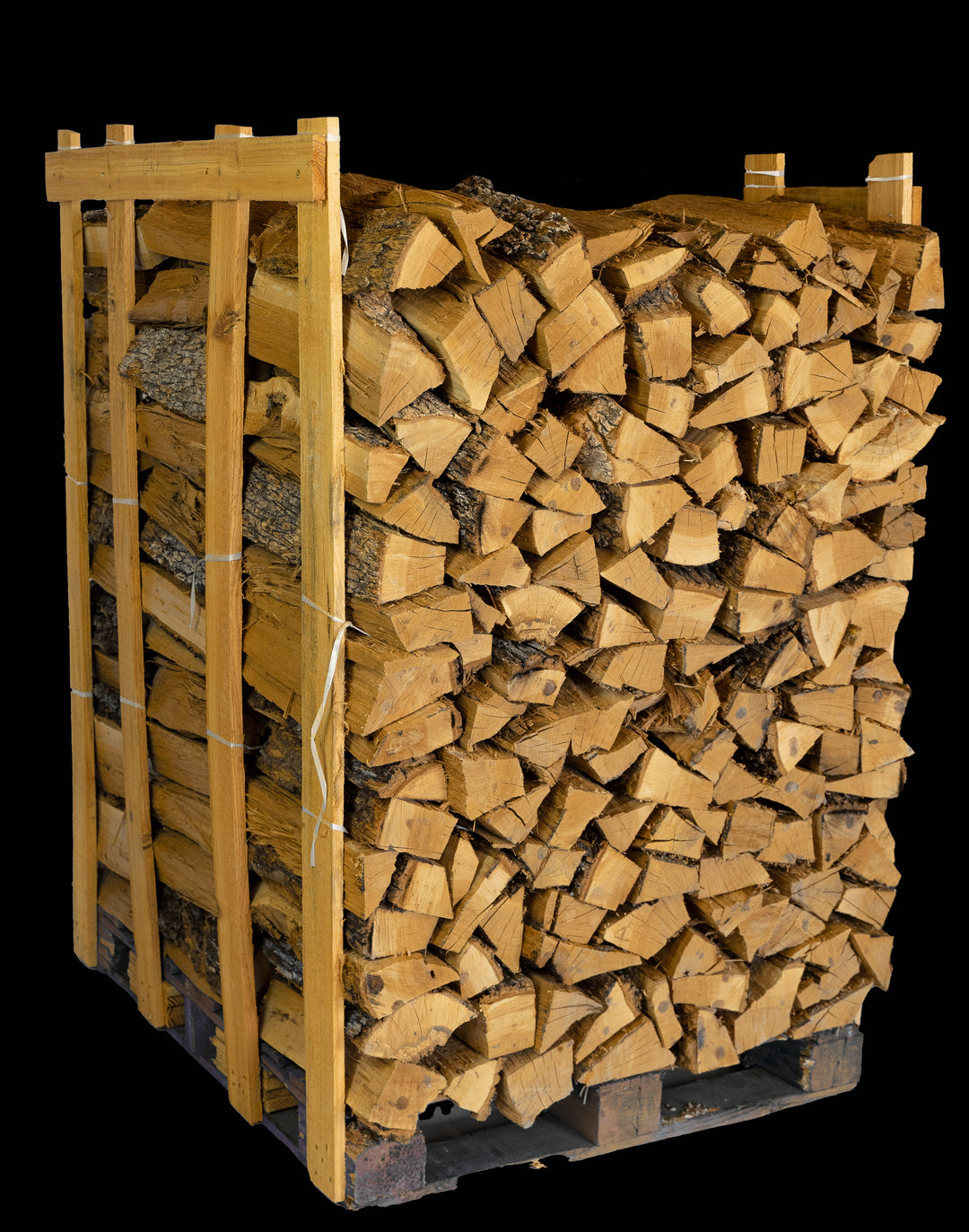
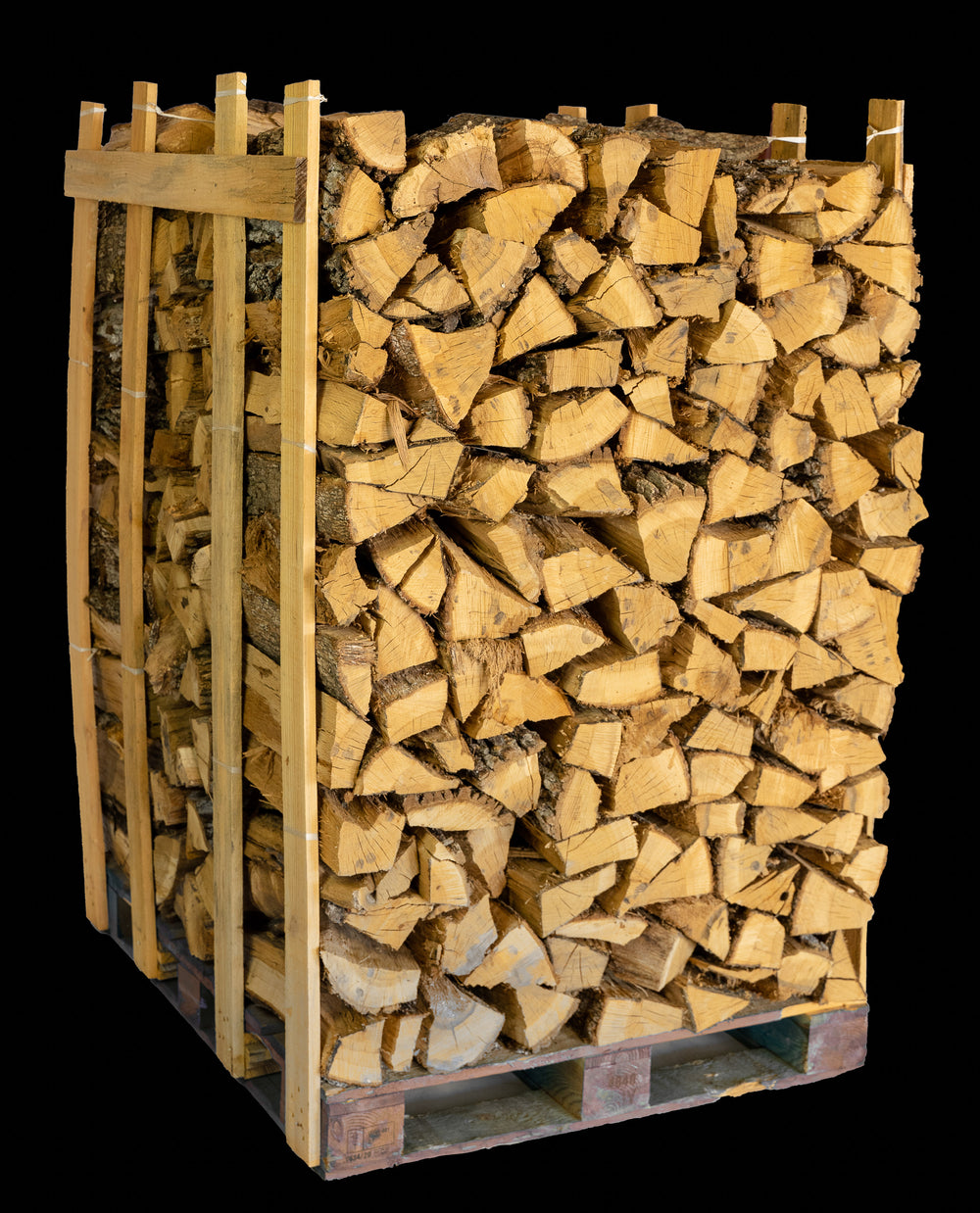
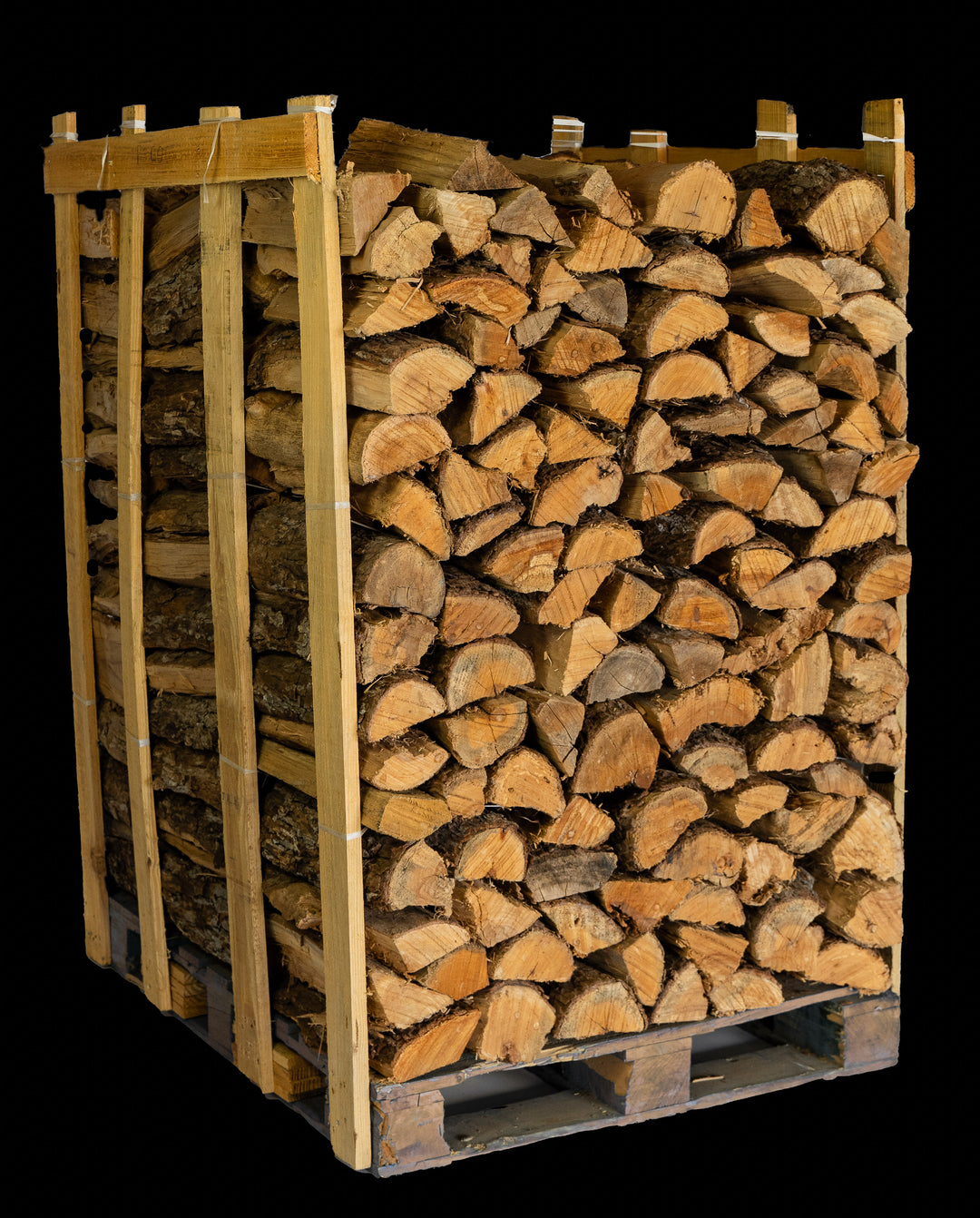
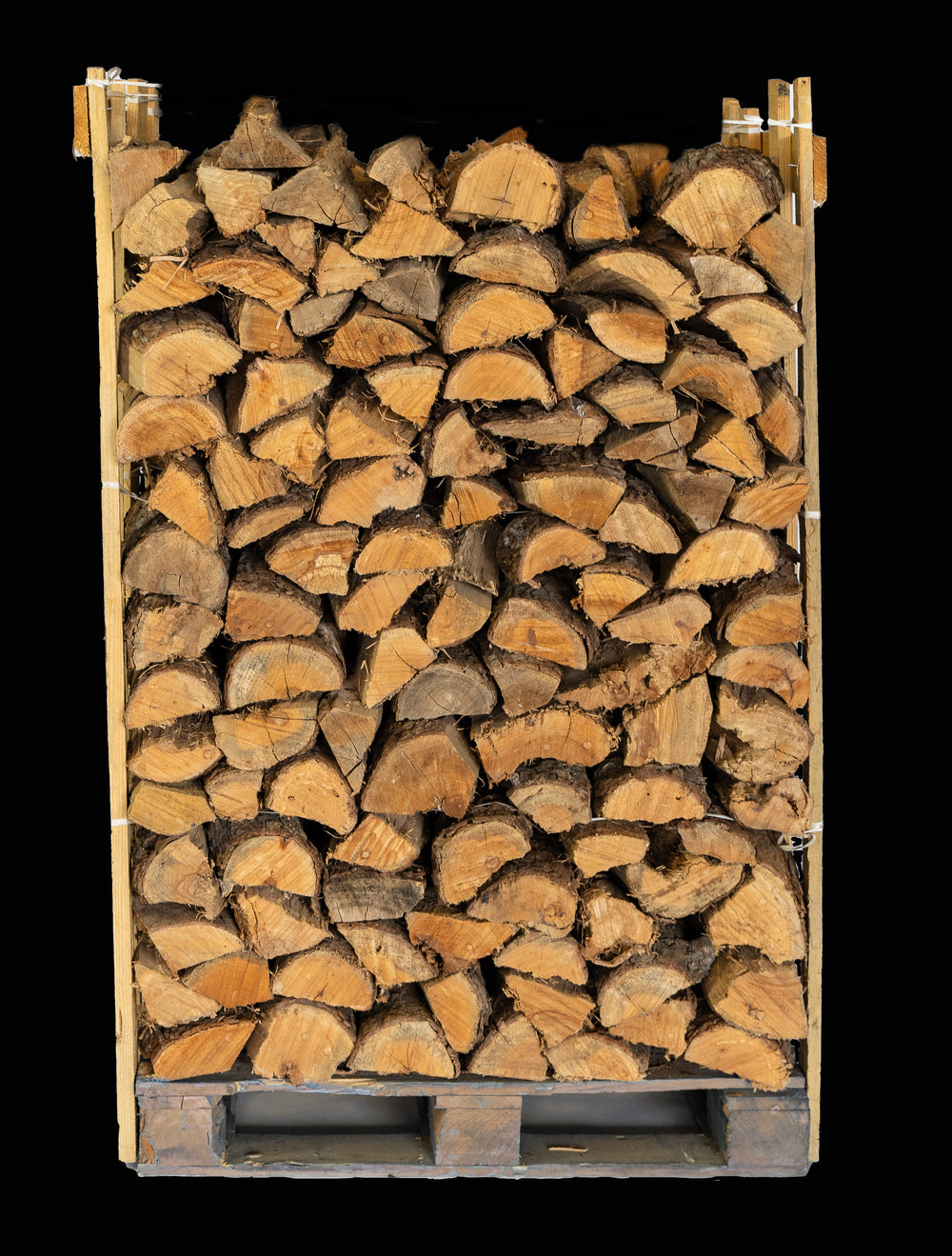
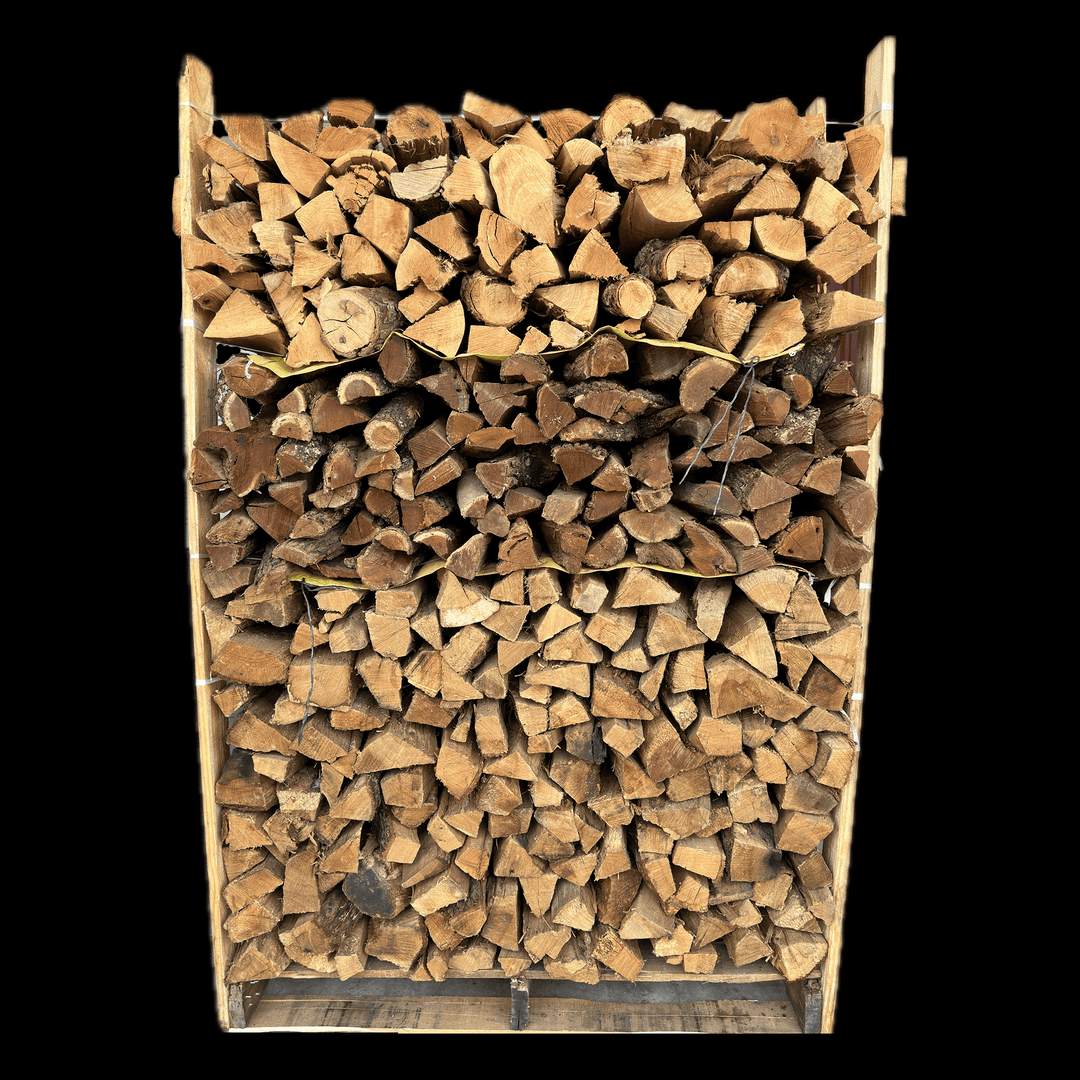
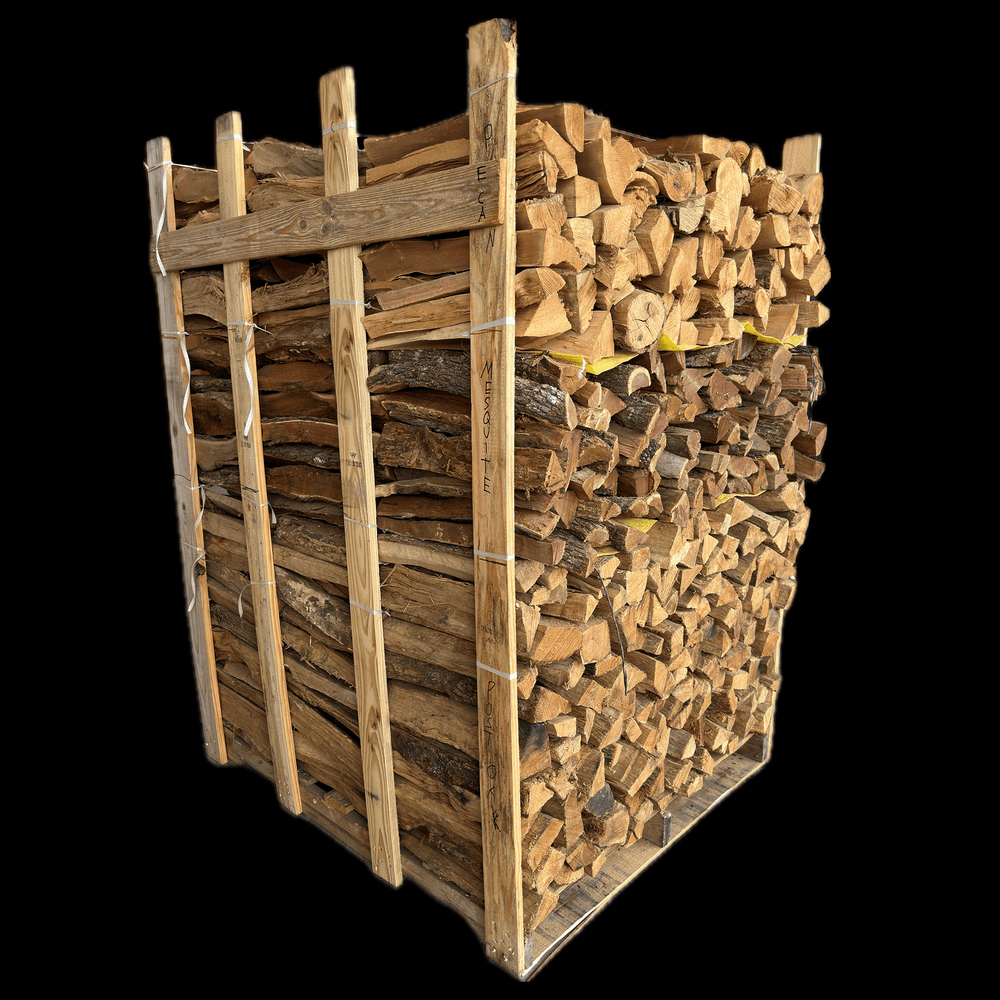
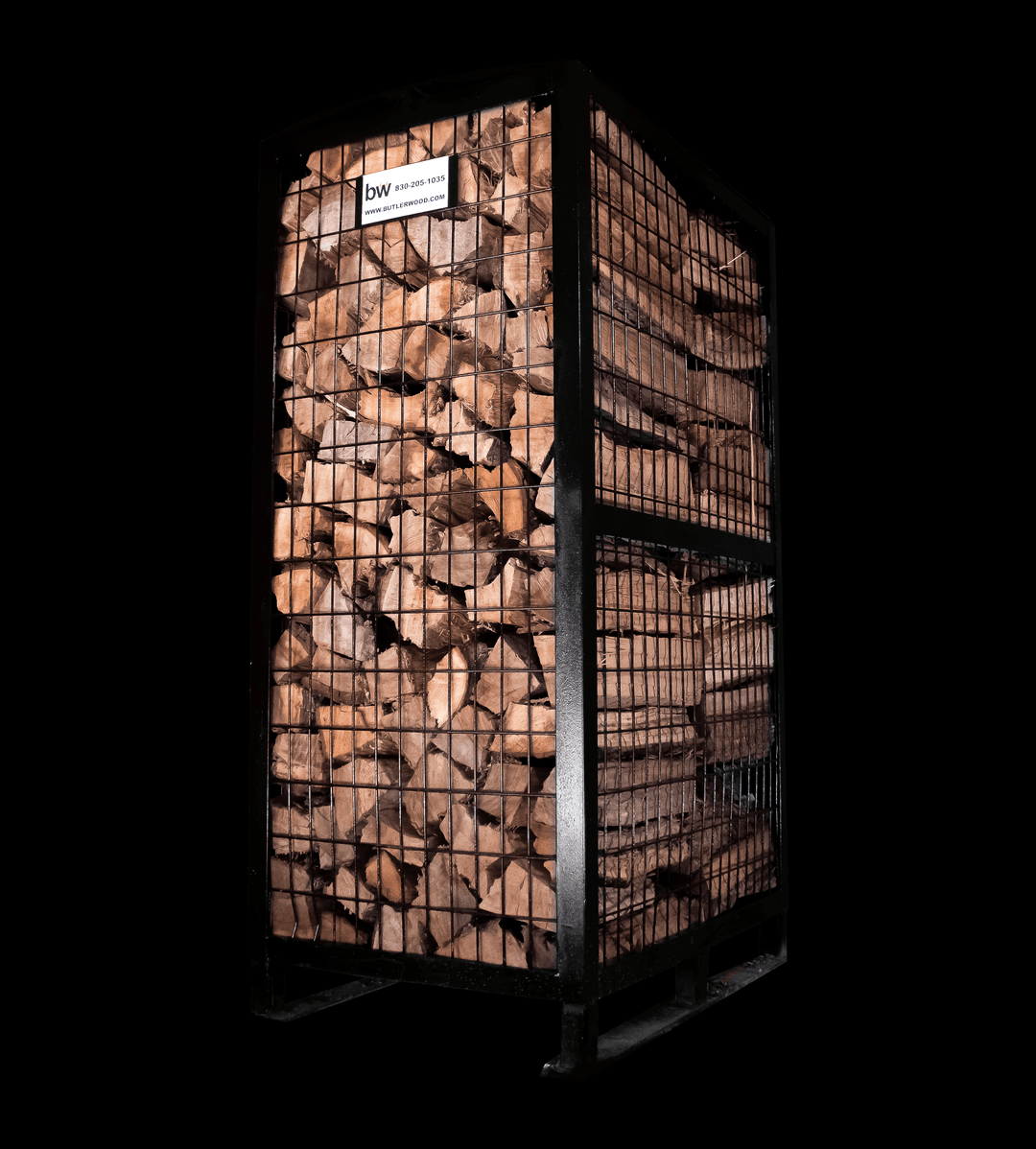
Why Pitmasters Buy From ButlerWood
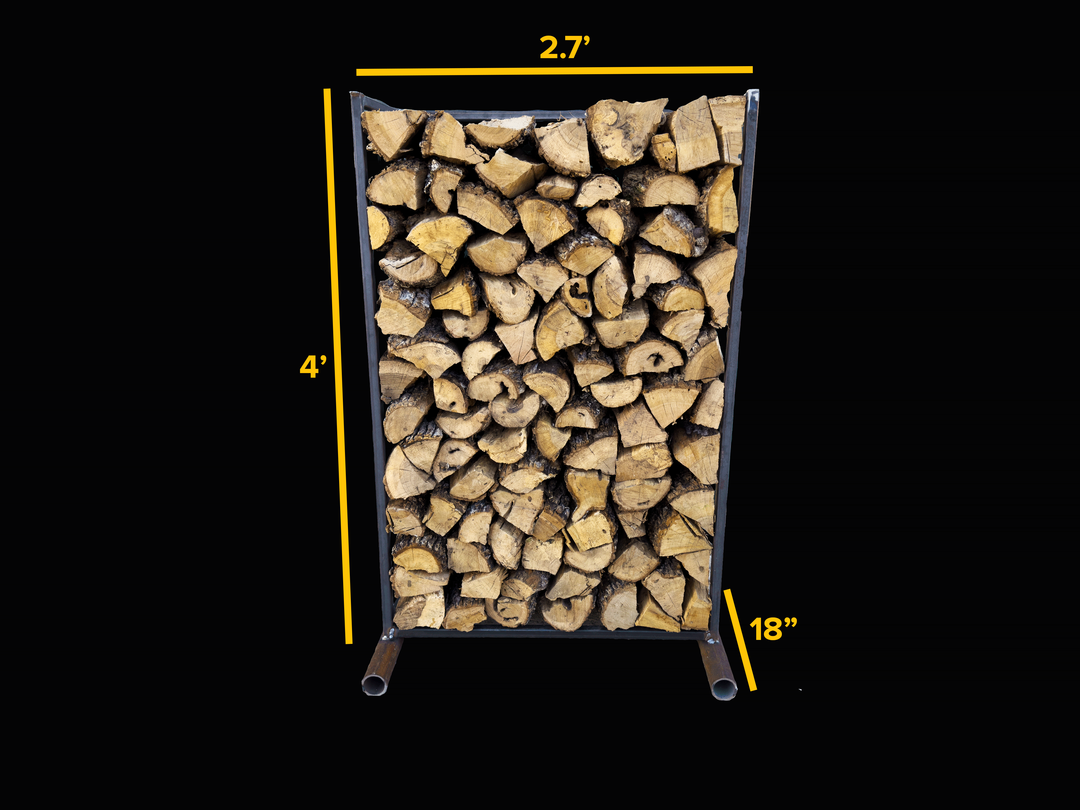
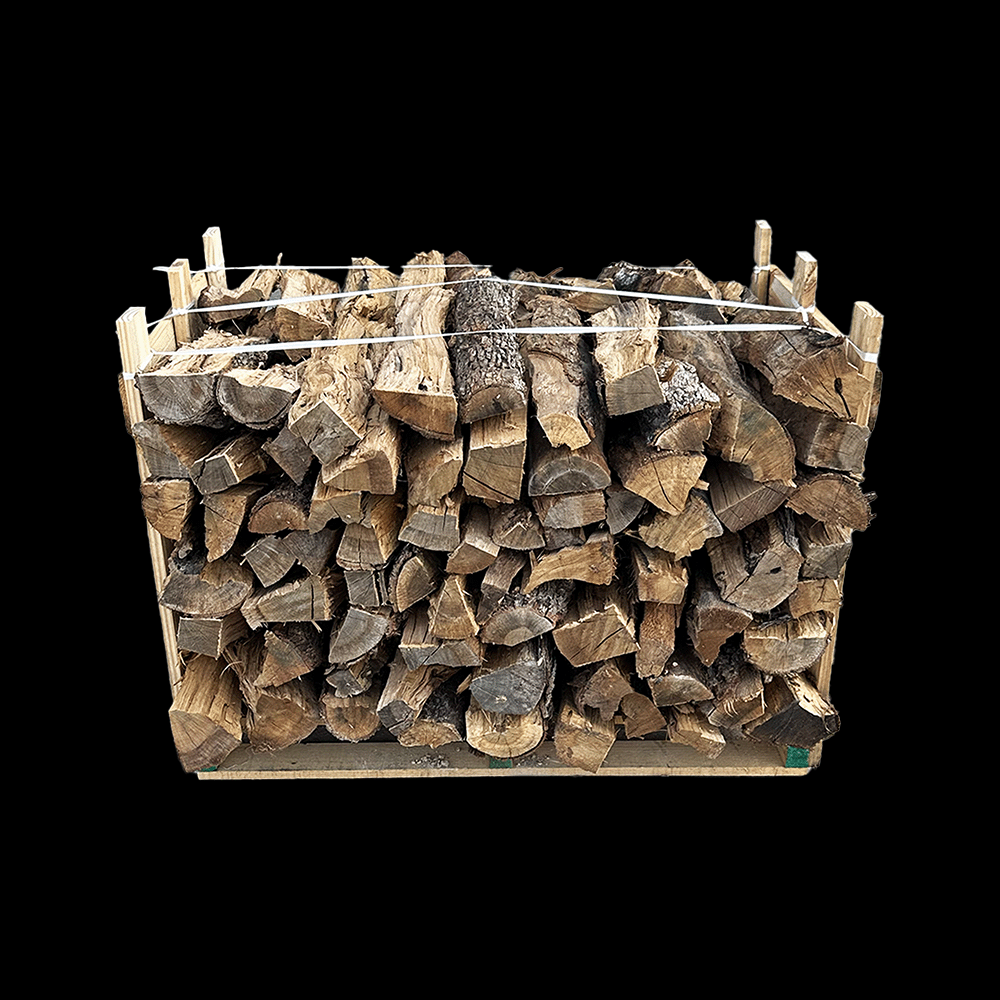
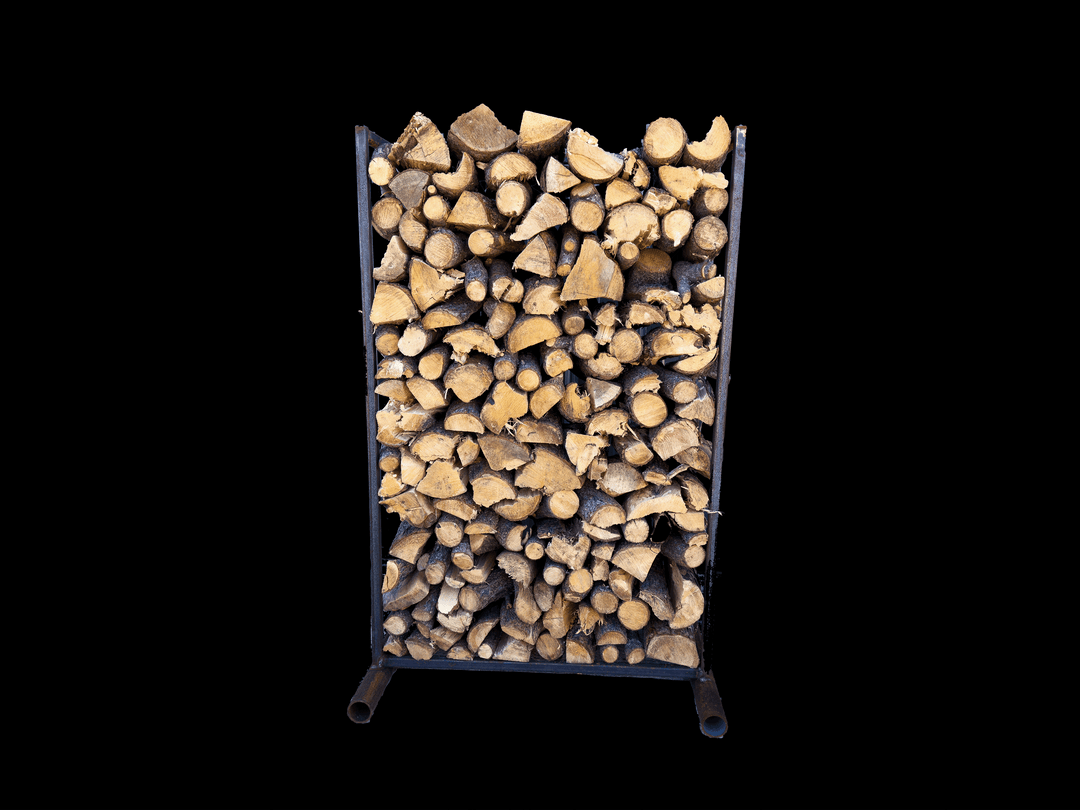
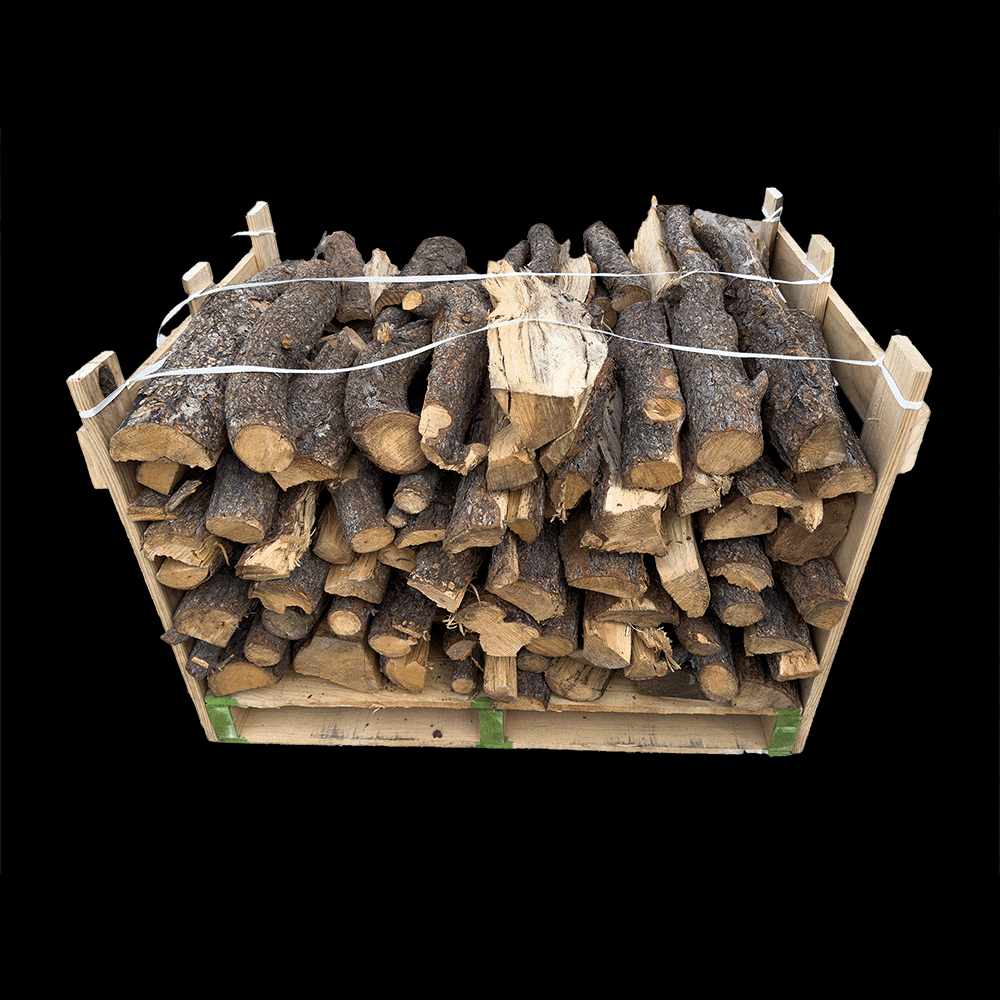
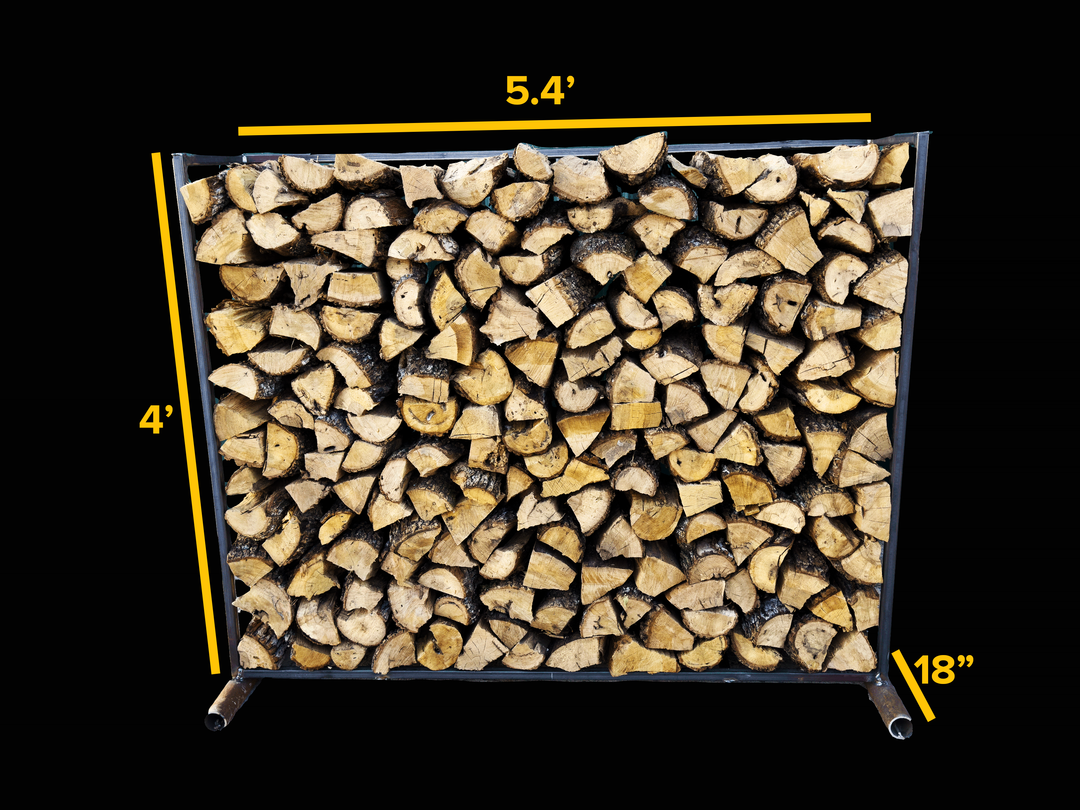
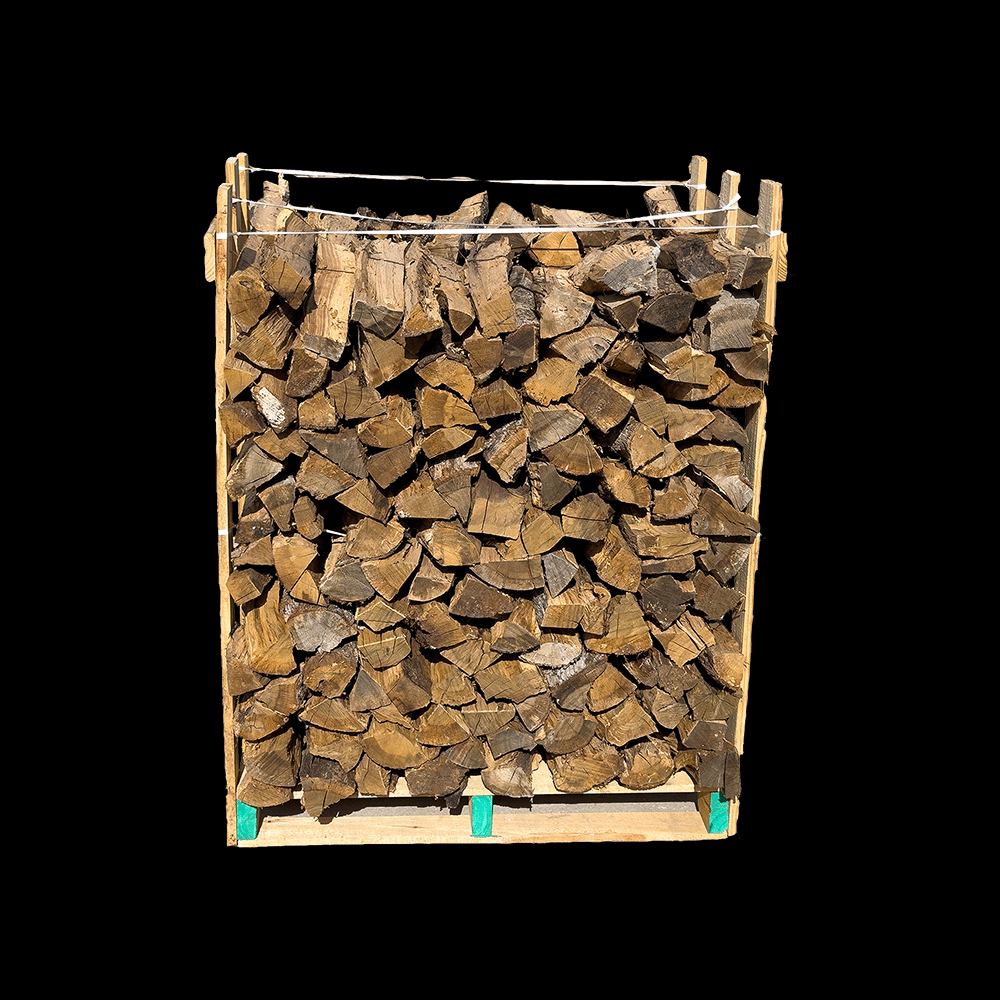
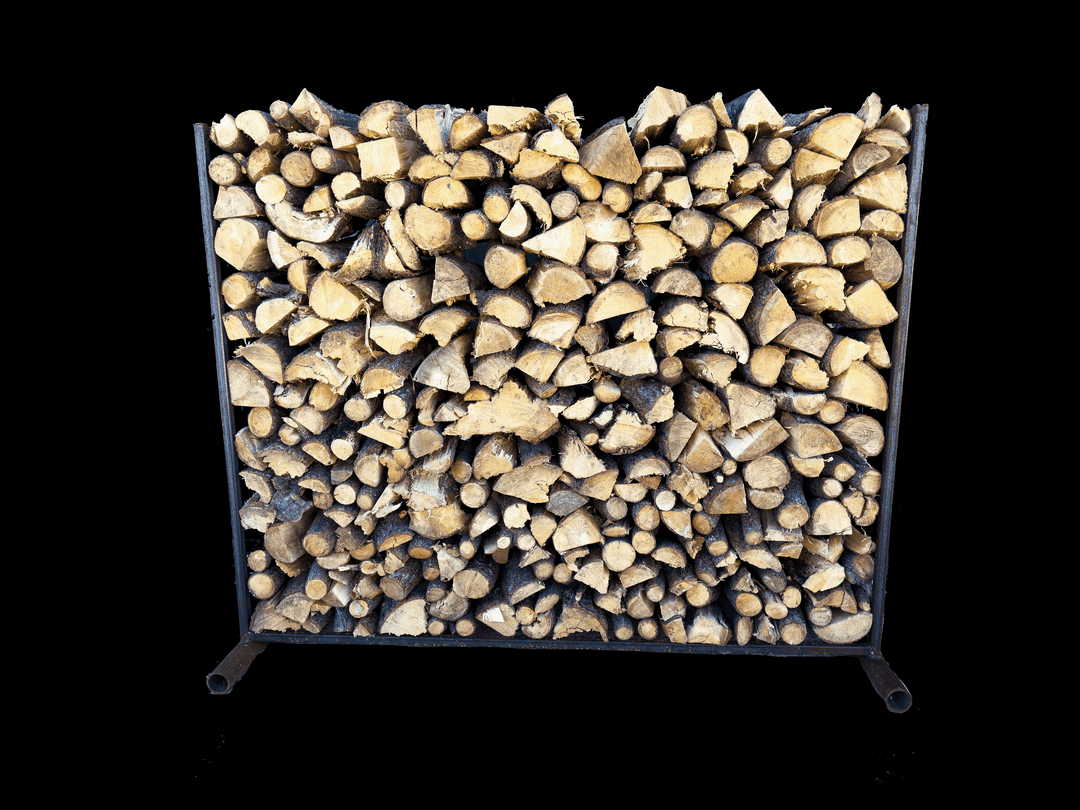
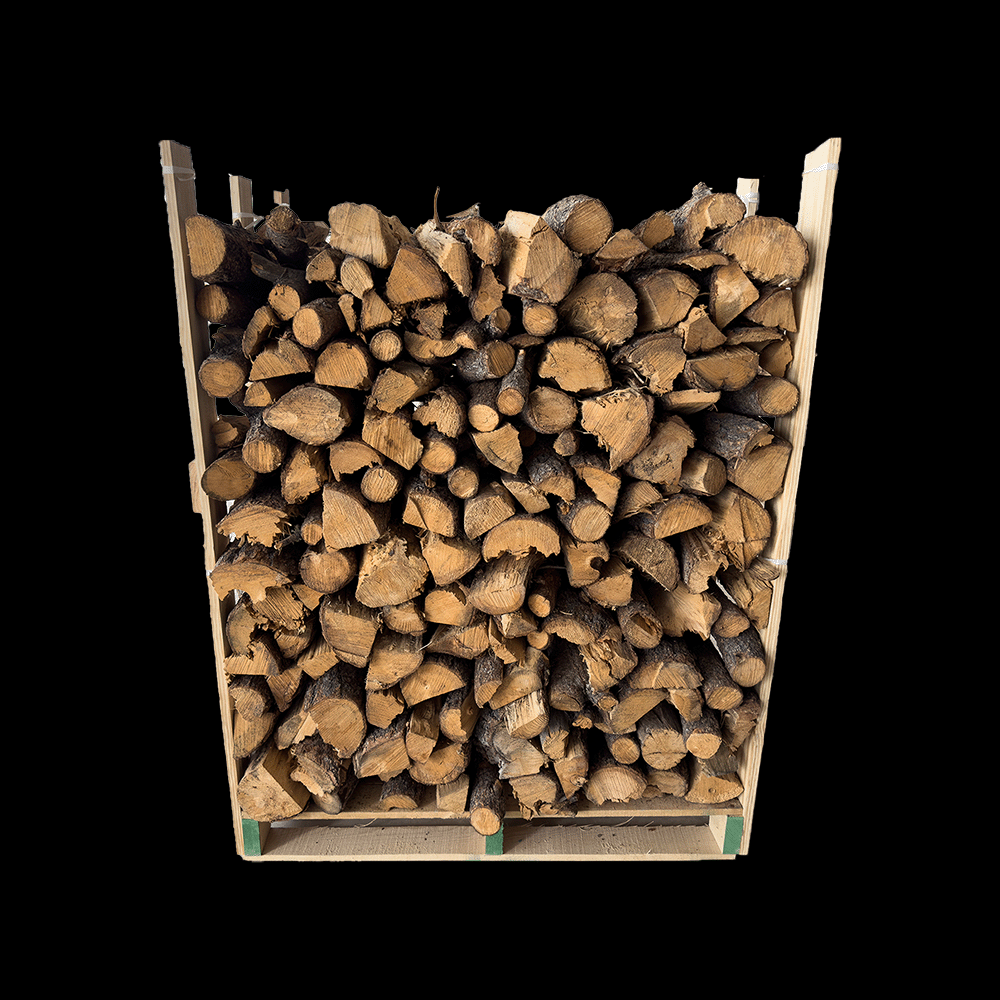
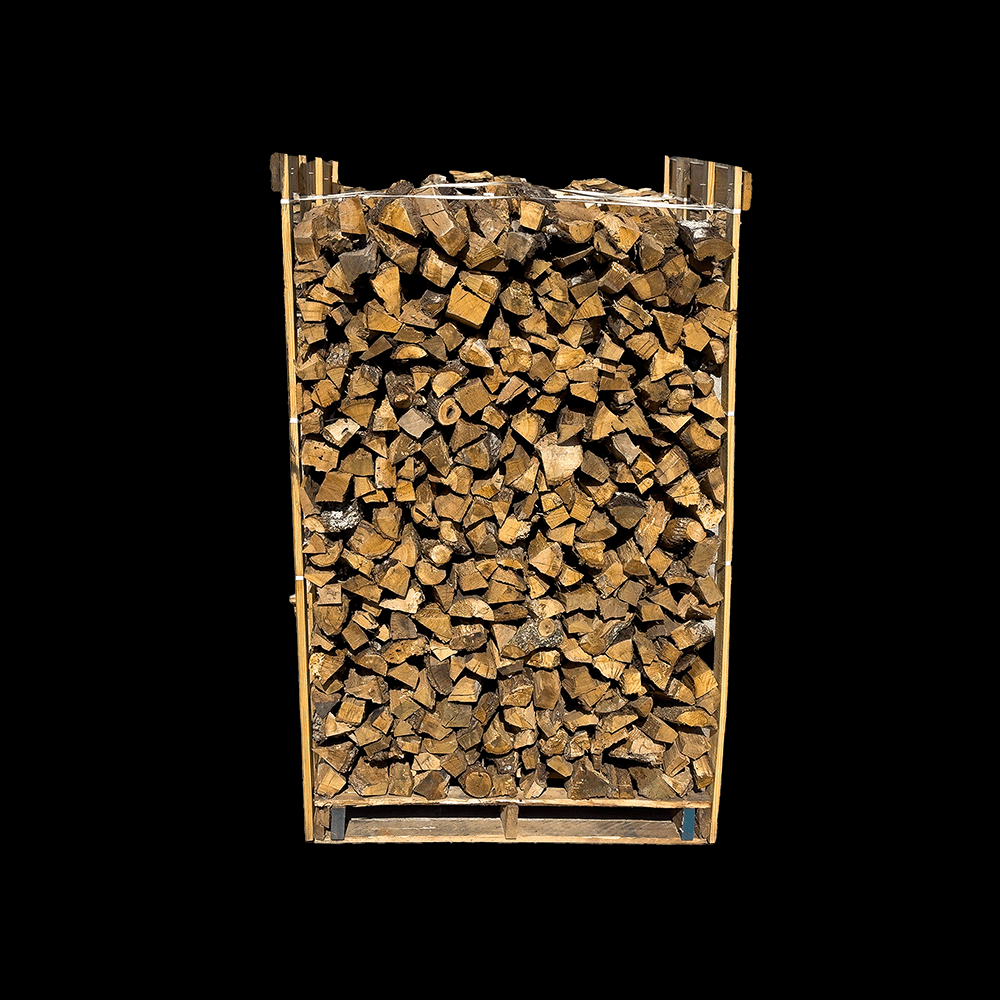
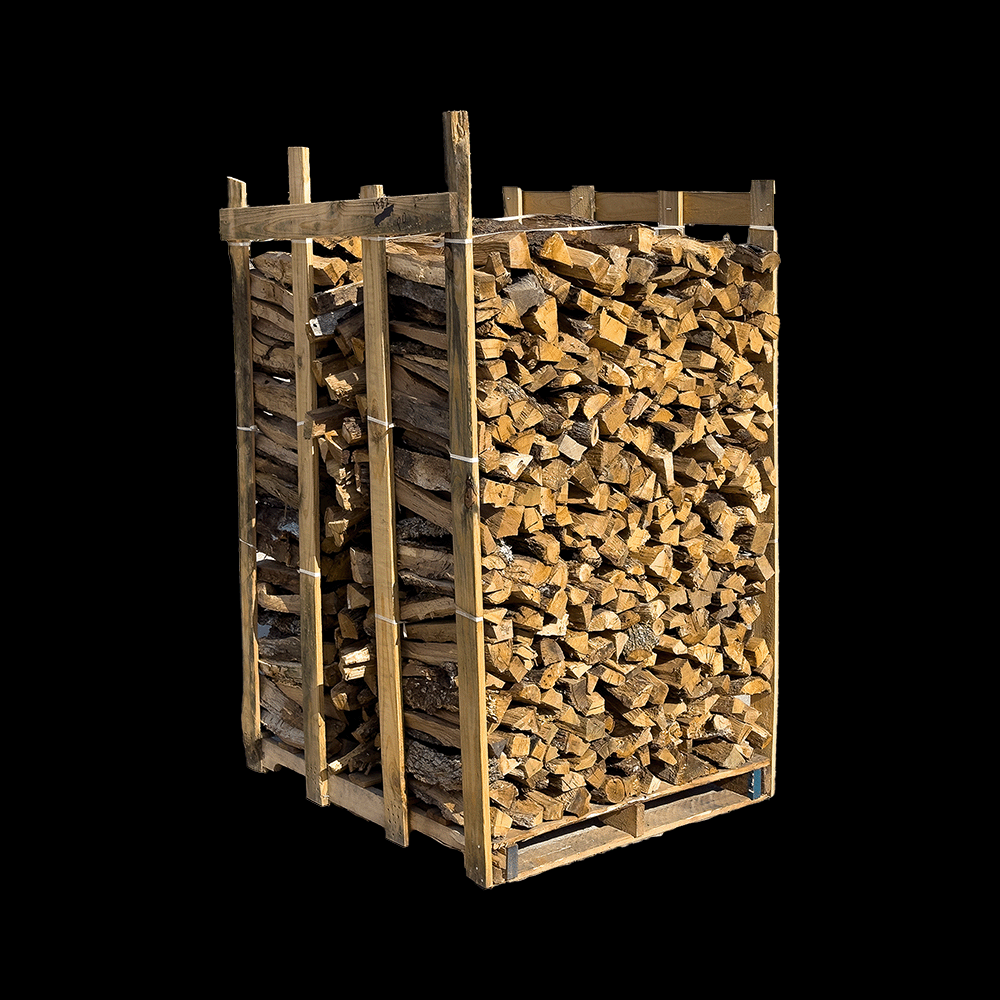
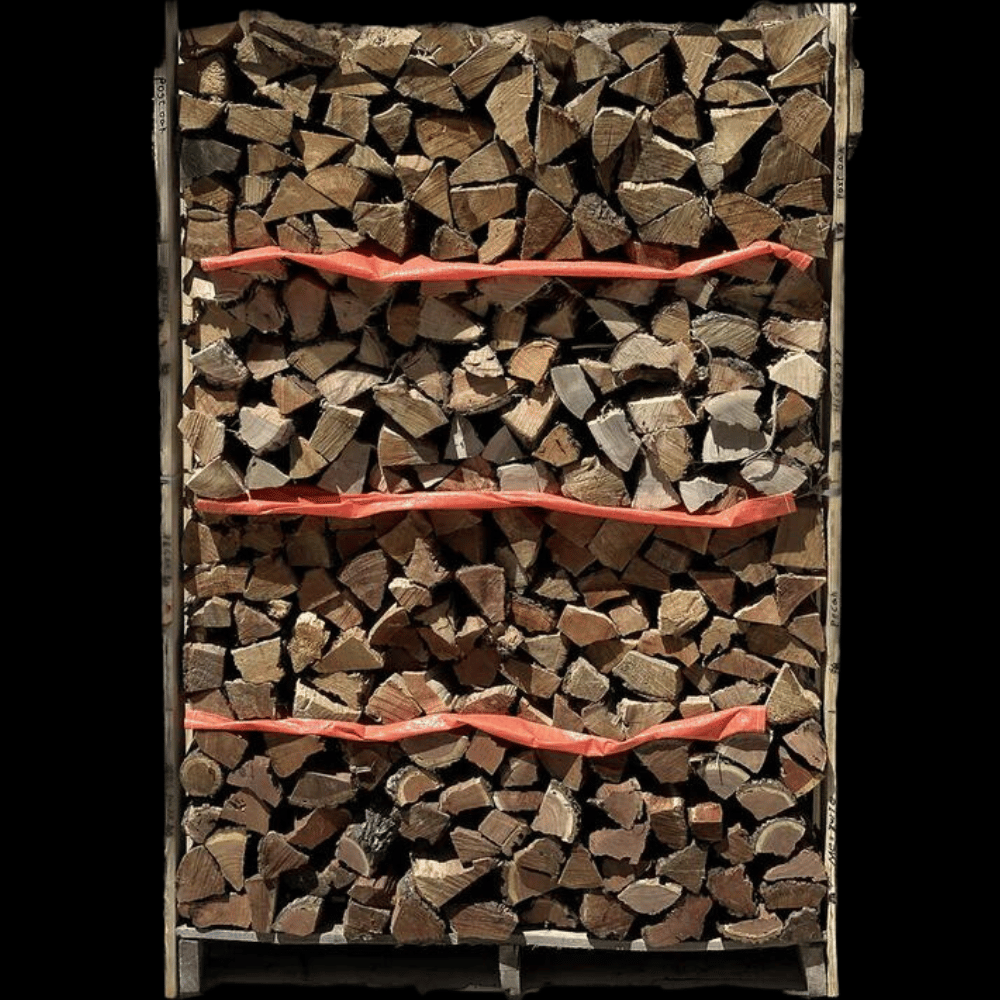
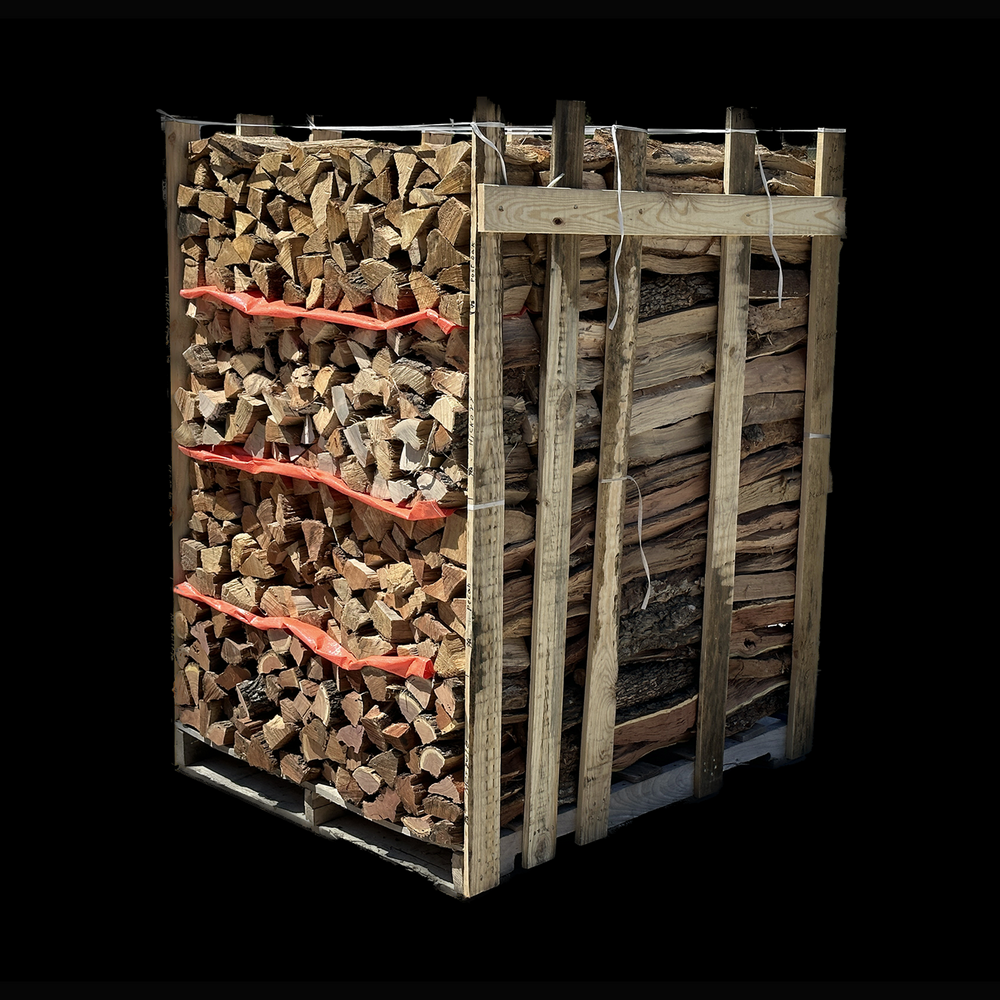
We carry the full cooking wood lineup pitmasters ask for: post oak, hickory, pecan, mesquite, apple, and cherry. You can shop each species in boxes, cords, pallets, and splits depending on your setup and volume.
Over 300 restaurants across the country cook with our wood, along with thousands of backyard grillers who want the same quality on their own rigs. We are a family-owned Texas business, we ship to all 50 states, and we have been producing our own cooking wood for more than two decades.

USDA Heat-Treated
Every piece is treated to 160°F for 75 minutes under USDA schedule T314-c.

Naturally Aged in the Texas Sun
Wood ages outdoors before heat treatment brings the moisture to desired level.

Sustainably Sourced
Our wood comes from land clearing jobs we run ourselves across Central Texas. Nothing goes to waste.

Consistent Cuts
Uniform splits and wood pieces in every box and pallet, so your fire runs the same every time.

Trusted by 300+ Restaurants
Backyard BBQ rigs and commercial pits across the country cook with our wood daily.

Ships Nationwide
We deliver to every state in the US and arrange international shipping on commercial orders.
Cooking Wood Flavor Chart: Find the Best Wood for Your Cook
Each hardwood brings its own flavor, burn time, and smoke profile. Use this chart to match the wood to what you are cooking.
| Wood | Flavor Profile | Best For | Smoke Intensity |
|---|---|---|---|
| Post Oak | Mild, clean, slightly sweet | Brisket, beef, poultry | Medium |
| Hickory | Bold, bacon-like | Pork shoulder, ribs, sausage | Strong |
| Mesquite | Earthy, intense, Texas-style | Steak, brisket, open-flame grilling | Very Strong |
| Pecan | Sweet, nutty, rich | Poultry, pork, ribs | Medium |
| Apple | Mild, sweet, fruity | Pork, chicken, cheese | Mild |
| Cherry | Sweet, fruity, slightly tart | All meats, adds mahogany color | Mild to Medium |
Post oak is the workhorse of Central Texas BBQ and technically a member of the white oak family, which is part of why it burns so clean. Hickory wood and mesquite carry the strongest smoke flavor and hold up on long cooks. Apple and cherry sit on the milder end and pair well with poultry, pork, and cheese. Oak wood also blends well with fruit woods when you want a lighter smoke profile without losing the body oak gives.
Chunks, Splits, Mini Logs, and Pallets: Choosing the Right Format
The best cooking wood for your setup depends on the equipment you run and the burn time you need.
Not sure which format fits your cook? Our team can walk you through what other pitmasters run and help you land on the right order size.
Sourcing & Certification
ButlerWood sources its cooking wood and kiln-dried firewood from Central Texas land clearing projects we run ourselves. We fell, cut, split, and season every piece on our own yards in Seguin and Gonzales, which is how we keep quality wood consistent from one pallet to the next.
All of our wood products meet USDA schedule T314-c, heated to a minimum interior temperature of 160°F for at least 75 minutes. We operate under Texas Compliance Agreements TDA-538, TDA-534, and TDA-540, and we are proud members of Go Texan.
Our vertically integrated supply chain, including in-house trucking, means we control the product end to end. Most competitors buy wood wholesale. We cut our own.


Who We Serve

Restaurants & Pitmasters
ButlerWood supplies over 300 restaurants nationwide with high quality cooking wood on delivery schedules built around each kitchen's burn rate. See our restaurant program for pricing and logistics.

Backyard BBQ Enthusiasts
Homeowners, weekend grillers, and amateur pitmasters who want the same wood the pros cook with. Shop our retail options or find a pickup location near you.Use this section to explain a set of product features, to link to a series of pages, or to answer common questions about your products. Add images for emphasis.

Food Trucks & Caterers
Operators running mobile pits or off-site events who need reliable supply without warehousing their own wood. We handle the logistics so you can focus on the cook.
Cooking Wood FAQs
Cooking wood is hardwood that has been has been aged and heat treated for use in smokers, grills, wood-fired ovens, and open-flame cooking. It burns cleaner and produces better smoke flavor than green or softwood firewood, which is why pitmasters use it on meat.
Firewood is any wood used for heat, typically in a fireplace or wood stove. Cooking wood is a specific subset: naturally aged then heat-treated hardwood with an ideal moisture content, cut to sizes that fit a smoker or grill, and chosen for its flavor when it burns. All cooking wood can be firewood, but not all firewood should touch your food.
In practice, yes. Cooking wood and smoking wood refer to the same product. Some sellers use "smoking wood" to emphasize use on smokers specifically, but our cooking wood works across smokers, grills, and wood-fired oven cooking at any oven temperature.
Post oak is the classic answer, especially for Central Texas-style brisket. It gives a clean, steady smoke that runs through a long cook without overpowering the beef. Mesquite is the other Texas favorite and carries a stronger flavor, which some pitmasters prefer straight and others blend with post oak to balance.
Start with post oak. It has a forgiving smoke flavor that pairs with nearly any cut, it burns at a steady heat, and it is the wood Central Texas pits have cooked on for generations. Once you have a few cooks under your belt, try hickory wood or a fruit wood like cherry to see what you like.
Soaking wood chunks or splits produces steam rather than smoke and delays combustion. Our cooking wood is already at the right moisture level to light easily and hold steady heat. Keep it dry.
Wood chunks are small pieces suited for short cooks, gas grill smoker boxes, or charcoal kettles. Splits are larger, 8" or 16" logs cut for offset smokers and long cooks. Mini logs sit in between at a smaller size, good for pizza ovens, kamado grills, and Solo Stove fire pits.
Keep your cooking wood off the ground, out of direct rain, and under some cover. A covered rack, shed, or garage works well. Good airflow keeps the moisture content where it should be and helps your wood hold a cleaner burn. If stacks sit exposed for months, check pieces for mold before using.
Yes. We ship cooking wood to all 50 states, and we arrange international shipping on commercial orders. Your shipping rate calculates automatically at checkout once you enter your address.
Yes. Our wholesale program supplies restaurants, food trucks, and high-volume home cooks with pallet and cord quantities on scheduled deliveries. Full truckload orders are one of our fastest-growing segments. Contact our sales team for wholesale pricing and logistics.
Our cooking wood sits at a low moisture level after heat treatment, below green or air-dried-only wood. That means faster lights, a cleaner burn, less creosote, and a more consistent cooking surface temperature on smokers, wood-burning stoves, and cast iron setups over live coals. Use a temperature gauge on your pit to confirm the burn is running where you want it.