How to Tell If Post Oak Wood Is Ready to Burn: A Pitmaster's Guide to Seasoned Cooking Wood

Short answer: Post oak smoking wood is ready to burn when it sits at 10 to 15 percent moisture content, feels dry on the outside, sounds hollow when knocked, and shows visible cracks at the ends of the splits. Anything wetter and you'll get dirty smoke, slow ignition, and bad flavor.
There's a reason post oak is the preferred choice for Texas style barbecue. Done right, it throws steady heat, leaves a deep bed of coals that holds for hours, and produces a clean smoke profile that lets the meat come through without getting buried. Done wrong, and you've got a pit full of green wood that smolders, smokes dirty, and ruins your brisket.
The difference comes down to one thing: whether the wood is properly seasoned. This guide walks you through how to tell if your post oak is ready to burn, what good seasoned cooking wood looks and feels like, and why ButlerWood post oak comes pre-dialed at the right moisture content for any cook.
Why Moisture Content Is the Whole Game
Green oak wood, freshly cut, can run 40 to 50 percent moisture. That water has to burn off before the wood produces real smoke and heat, which means you spend the first 30 minutes of your cook fighting the fire instead of cooking. The smoke comes out dark and heavy, your eyes water, and the meat picks up bitter notes that no amount of rub will hide.
Properly seasoned post oak sits at 10 to 15 percent moisture content. At that range, the wood lights fast, holds steady heat, and produces the thin, almost-clear blue smoke that pitmasters look for. Austin Butler, ButlerWood Co-Owner, breaks it down:
"If you burn something that's been aged properly 10 to 15 percent, within the first 10 to 15 minutes, you don't have a dirty smoke. The wood's caught on fire. Now it's just burning these aged tannins. Clear, white smoke."
That clean smoke is what gives Texas post oak its reputation for the best barbecue smoke profile in the country, especially on brisket, beef ribs, pork ribs, and poultry.
5 Ways to Tell If Post Oak Is Ready to Burn
Here's the field test pitmasters use to check whether a piece of wood is ready for the pit. Run through these five checks before you load anything into the firebox.
1. Look at the ends
Seasoned post oak shows visible cracks radiating out from the center on the cut ends of the splits. Those cracks form as the wood loses moisture and the fibers contract. Green wood has smooth, tight end grain with no checking. If the ends look fresh and uncracked, the wood needs more time.
2. Check the color
Green post oak has a creamy, light tan color with a hint of pink or yellow inside. As it ages, the wood darkens to a grayish-tan with a slightly weathered look on the outside. The bark may pull away or fall off completely on properly aged splits.
3. Knock two pieces together
This is the trick Austin uses every day in the yard. A dry, ready-to-burn split sounds hollow and high-pitched when you knock two pieces together. Green or wet wood sounds dull and thuddy. The difference is unmistakable once you've heard it. Pecan sounds even higher pitched than post oak when fully dry, which is why it ships well to Florida and other states with high humidity.
4. Feel the weight
Pick up a split and feel the heft. A 16 inch post oak split at the right moisture content weighs noticeably less than a green one.
As Austin describes it:
"If you feel this, it's dry on the outside, but when you hit it, you can still hear that there's moisture in there. That's how I look at wood and tell."
A pallet of dry post oak weighing 1,500 pounds is light. Same dimensions at 2,000 pounds means more drying needs to happen.
5. Smell it
This one's underrated. Properly aged post oak smells sweet, slightly earthy, almost like sandalwood. Austin describes it as the kind of smell you'd want in a cologne. Green oak smells damp, musty, sometimes sour. If your wood doesn't smell good unlit, it sure isn't going to smell good in the smoke.

How Long Does It Take Post Oak to Season?
Post oak that's air-dried in stack form usually takes 6 to 12 months to reach the 10 to 15 percent moisture range, depending on climate, time of year cut, and how it's stacked. In the Texas sand belt where ButlerWood harvests, the dry climate pulls moisture out faster than wetter regions.
The process at the ButlerWood yard goes like this:
-
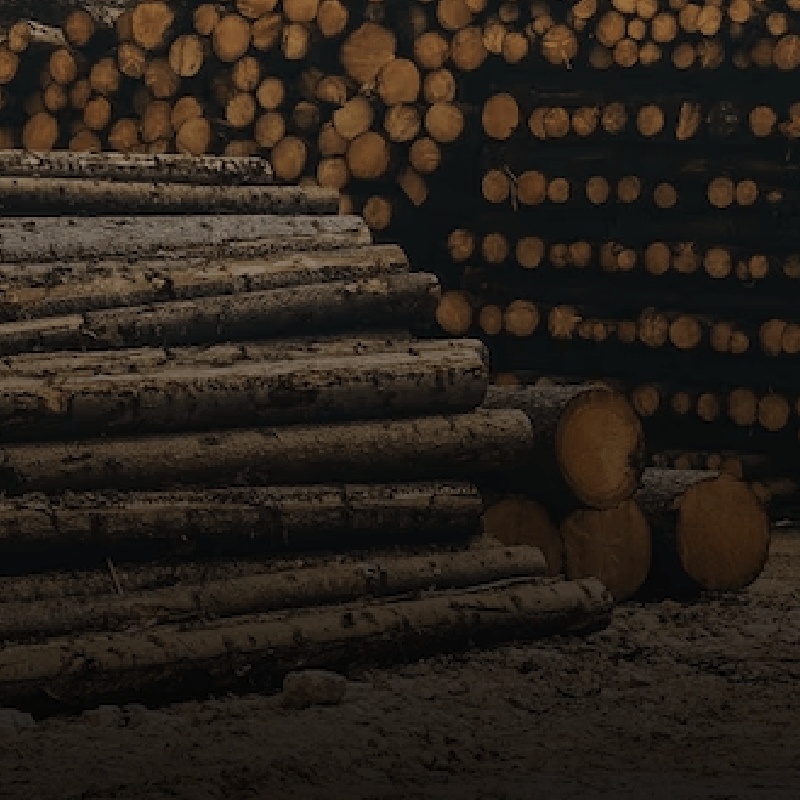
Log staging: Trees are felled and held in log form for around 3 months
-
Block cutting: Logs are cut down into blocks and aged again
-
First split: Wood is split once and naturally aged in the Texas sun
-
Heat treatment: A short heat treatment at 160 degrees F for 75 minutes per USDA schedule T314-c kills pests and mold without baking out the natural moisture
-
Final split and pack: Wood is split to final size, hand-sorted for quality, and stacked on pallets or into boxes
The key is that we don't process the wood from green all the way through heat alone like our competitors. Heat treatment is a final touch, not the main aging method. That keeps the natural tannins and moisture in the heart of the wood for clean smoke and good flavor.
What Bad Wood Costs You
If you're buying post oak from a big box store at 5 percent moisture content, you're getting wood that was kiln-dried hard for weight purposes. That product burns fast, throws minimal smoke, and forces you to use more wood per cook to get the same flavor.
If you're buying from someone with no quality control, you might be getting green wood that needs another six months of aging before it's usable. Either way, you lose.
Quick checklist of what bad wood looks like:
-
No cracks on the ends: Fresh-cut, no aging time
-
Heavy and damp: Still holding excess moisture
-
Dull thud sound: Wet inside
-
Sour or musty smell: Mold or rot starting
-
Bark fully attached and tight: Hasn't aged enough
-
Smoke is dark and heavy when burning: Either too wet or contaminated
How ButlerWood Post Oak Comes Ready to Burn
When you order post oak from ButlerWood, the wood arrives at your door already at 10 to 15 percent moisture content and ready to load into the smoker, charcoal grill, or barbecue pit. No waiting, no checking, no guesswork.
We ship in three main formats:
-
Boxes: A 1 cubic foot box of cooking wood holds approximate weight of 35 to 40 pounds of post oak chunks. Right size for backyard cooks, charcoal grill setups, or testing the wood on a new cook.
-
Half cord pallets: 64 cubic feet of stacked post oak. Solid pick for serious backyard pitmasters or restaurants going through wood every couple of weeks.
-
Full cords: 128 cubic feet, available through our firewood and cooking wood collections. The workhorse for high-volume restaurants and resorts.
Free shipping on qualifying orders, with delivery available to homes, restaurants, resorts, firewood suppliers, and wholesale customers across all 50 states. Most orders ship within one to three business days

Why ButlerWood Post Oak Is Different
Most online wood retailers don't actually grow or harvest the wood they sell. They buy it from regional logging operations, repackage it, and ship it out with no real quality control. ButlerWood is vertically integrated, which means we own the whole process from land clearing in Central Texas to in-house trucking and final delivery. As Austin explains it:
"Post oak is really just a white oak tree, but it's grown here in Central Texas, this Guadalupe Valley area. It's this sand belt, where a lot of this post oak that we're harvesting is in sand, and water rushes through sand. The trees don't get a whole lot of that water, and so they grow denser."
Density matters when it comes to seasoned cooking wood. A denser piece of wood burns slower, longer, and cleaner than wood from a fast-grown tree. That's why pitmasters serving brisket at top Texas BBQ joints, including the Burnt Bean in Seguin and Cherokee Chophouse in Marietta, GA, keep coming back to ButlerWood post oak.
Ready to load up some post oak that's actually ready to burn? Browse our post oak smoking wood, cooking wood, and retail product collections. Need a wholesale or full truckload quote? Call 830-205-1035 or reach out through the ButlerWood site.
Frequently Asked Questions About Post Oak
How can I check moisture content at home without a meter? +
Use the look, weight, sound, and smell test. Seasoned wood shows cracks on the ends, feels light for its size, sounds hollow when knocked, and smells sweet rather than damp. A pin-style moisture meter from a hardware store also works for around $25 if you want a precise reading.
What moisture content is best for smoking brisket and beef ribs? +
10 to 15 percent moisture content is the sweet spot for offset smokers running brisket, beef ribs, pork ribs, and poultry. That range produces clean white-blue smoke and steady heat without burning too fast or smoldering.
Can I burn post oak that's still slightly green? +
You can, but you'll fight it. Green wood produces dirty smoke for the first 15 to 20 minutes, makes the fire harder to manage, and risks bitter flavor in the meat. If you have to burn green wood, mix it with seasoned splits and run a hot, clean fire to burn off excess moisture fast.
Does kiln-dried post oak burn differently than naturally aged? +
Hard kiln-dried wood (5 percent moisture) burns fast and throws minimal smoke, which is why ButlerWood doesn't fully kiln-dry our post oak. Our process naturally ages the wood first, then runs a short heat-treatment for USDA compliance only. The result is closer to naturally aged with the regulatory benefit of being legal to ship across state lines.
How should I store post oak to keep it ready to burn? +
Stack splits off the ground on bricks or a pallet, in a spot with good airflow, and cover the top with a tarp to keep rain off. Don't tarp the sides because the wood needs to breathe. Stored properly, seasoned post oak holds at the right moisture content for a year or longer.