What Is the Best Moisture Content of Cooking Wood for Your Application?

Short answer: For most smoking and backyard cooking, the best moisture content for cooking wood is 10 to 15 percent. That range lights easily and produces clean smoke. Wood dried closer to 5 percent burns fast with little smoke, and green wood above 25 percent smolders and can turn food bitter.
While it is technically possible to use any wood for cooking, that does not mean your food will come out tasting good. There is a real practice to finding the correct moisture content of wood for burning fires and cooking food.
Wood moisture content is one of the most important factors to consider when choosing your fuel, second only to wood species. To be safe, oak, hickory, mesquite, and pecan are all good choices. But what is the best firewood moisture content for cooking wood? Below we cover why moisture content matters, what happens when you have too much or too little, how to measure it, and the right amount for your cooking method, from a backyard smoker to a commercial pit.
Why Is Moisture Content Important?
The moisture content of your wood matters for cooking because it will determine how much smoke is produced and how easy it is to light. The amount of moisture in the wood could also influence what is in the smoke. Moisture content is one of the biggest factors in finding the right cooking wood, right behind the wood species itself.
Here is the simple version. Wet wood and green wood hold too much water, so they smolder, throw a heavy, dirty smoke, and can leave food tasting bitter. Bone-dry wood lights fast and burns hot but gives off little smoke and less flavor. The sweet spot in the middle is where you get a clean burn and real smoke flavor. Good smoke is thin and almost clear, with a faint blue or white color. Dark, heavy smoke usually means there is too much moisture in the wood, and moisture content is directly tied to which one you get.
Austin Butler, ButlerWood Co-Owner, puts it plainly:
"If you burn something that has been aged properly, 10 to 15 percent, within the first 10 to 15 minutes you do not have a dirty smoke. The wood has caught fire, and now it is just burning those aged tannins."
What Is the Best Moisture Content for Cooking Wood?
For most smoking and backyard cooking, aim for wood in the 10 to 15 percent moisture range. That is low enough to light and burn clean, and high enough to still carry smoke and flavor into the meat. It is the range we target across our cooking wood.
Here is a quick reference by setup:
| Cooking setup | Target moisture content |
|---|---|
| Offset smoker (stick burner) | 10 to 15%, on the lower end |
| Backyard grill or kamado | 10 to 15%, drier for grilling |
| Pizza oven or steakhouse | Drier, since heat matters more than smoke |
| Gas-assist or rotisserie pit | Higher, up to about 20 to 25% |
| Green or freshly cut wood | 30% or more, too wet to cook with |
Why a range instead of one number? It comes down to your pit. An offset smoker uses the wood itself for both heat and smoke, so it wants wood on the drier side of that range. A gas-assist or rotisserie pit pulls its heat from gas, so the wood is mostly there for flavor and can carry more moisture. Pizza ovens and steakhouses lean drier still, since they want a fast, hot burn more than heavy smoke.
You will also see wood sold much drier than this, often around 5 percent. That is usually about shipping weight, not cooking quality. Austin Butler, ButlerWood Co-Owner, explains the difference:
"Our competition sells wood is around 5 percent moisture content for weight purposes and a quicker burn time. It does not give the smoke profile, so the customer has to buy more."
Moisture Contents for Different Applications
To identify the correct moisture content for wood burning, you first need to understand if you will be using the wood for grilling or smoking. Moisture content directly correlates to how much smoke is produced. Grilling takes place over an open flame or the coals and embers of the wood that is being burnt. Smoking uses indirect heat from wood being burnt in a separate chamber. In an offset smoker or a vertical smoker, this creates an indirect path from the burning wood to the cooking area. Both grilling and smoking require different wood moisture content. Typically, grilling uses a product with a lower moisture content. This allows for ease of lighting and less smoke. Smoking can carry a little more moisture, since that is where much of the flavor comes from.
Pizza ovens and steakhouses are the outlier. They want dry wood for clean, high heat and do not lean on the wood for smoke at all.
What Happens if the Moisture Content Is Too High?
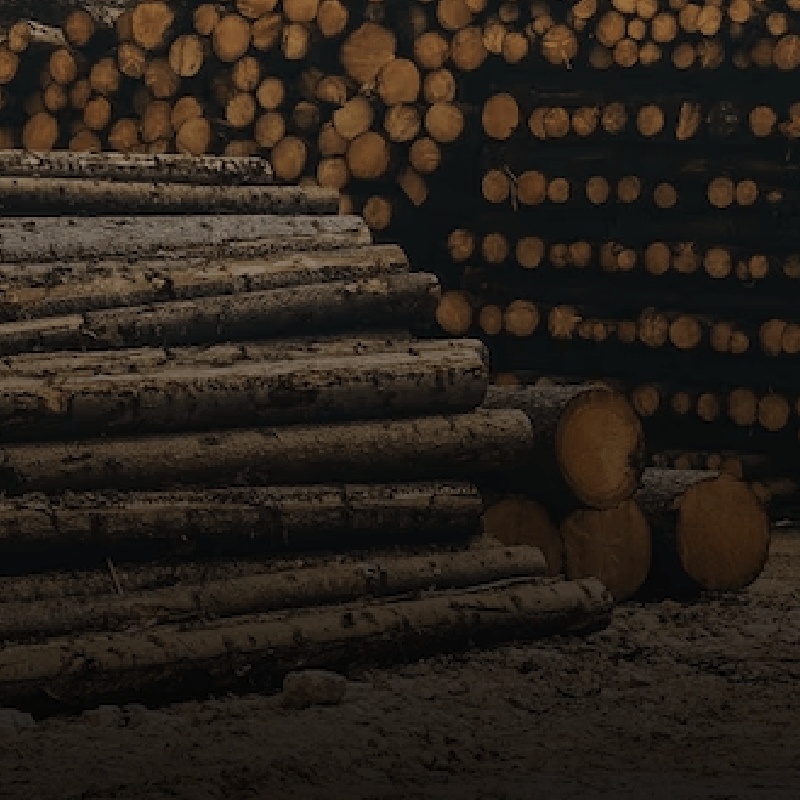
The term "green wood" is used to refer to a freshly cut tree. The moisture within this wood has not had time to evaporate or season. Green wood will smolder and create more smoke when lit. This wood can be more difficult to light. If you are having a problem lighting the wood, the moisture content could be too high.
Too much moisture costs you in a few ways:
-
Harder to light and harder to keep burning
-
Heavy, dirty smoke that can leave food tasting bitter or sooty
-
More buildup in your smoker, stove, or chimney
-
Wasted heat and less heat output, since energy goes to boiling off excess water instead of cooking
Wet wood and unseasoned logs are better left to age before they ever touch your pit.
What Happens if the Moisture Content Is Too Low?
On the other hand, wood that has been seasoned or aged excessively is also not a viable option for smoking. Dry woods function better for grilling, as they produce less smoke and impart less of their natural flavor profile into the foods. When grilling, it is better to use a drier wood over green wood. However, for smoking, the level of moisture should be chosen based on how much of the natural flavor profile you would like to impart into your food.
This is why the bargain wood at big box stores can disappoint. It is often taken down close to 5 percent for weight and shelf life, which means it lights fast, burns out quickly, and gives you little smoke. You end up buying more of it and tasting less of it.

How To Check the Moisture Content of Your Firewood
You do not have to guess. There are two easy ways to check.
-
Use a moisture meter. A firewood moisture meter is the most accurate method. Split a piece, press the pins into the fresh inside face, and read the percentage. Wood needs to be checked from the middle of a freshly split piece of wood, not the edges. For cooking, you are looking for that 10 to 15 percent range. A wood moisture meter costs very little and removes the guesswork from a delivery.
-
Read the wood. No meter handy? To check that your firewood supplier properly seasoned the wood, see that it sounds hollow, is light in weight, and shows signs of cracking, which all mean it was adequately aged beforehand. Wet wood is heavier and gives a dull thud when two pieces are knocked together, while well-aged wood gives a sharper, hollow ring.
Storing Wood To Hold the Right Moisture
Once your wood is in the right range, storage keeps it there. A few habits help:
-
Stack it off the ground so air can move underneath
-
Keep the pile in a single or double row instead of a large heap
-
Cover the top but leave the sides open, since a fully wrapped wood pile traps moisture
-
A simple roof or a polyethylene tarp over the top works well
-
Watch the weather, since a long wet stretch can raise the surface moisture of any wood pile
Stored this way, your splits stay ready to light and burn clean through the heating season and through barbecue season.

ButlerWood: Cooking Wood Dialed to the Right Moisture
At ButlerWood, moisture content is not a guess, it is the whole game. We are a family-owned cooking wood and firewood producer in Central Texas, and we run a vertically integrated operation from our own land clearing through our own trucking. Our wood is naturally aged in the Texas sun and prepared in house, and we hold it to that 10 to 15 percent range that cooks clean. We carry post oak, pecan, mesquite, hickory, apple, and cherry in boxes, pallets, cords, and splits, with two yards in Seguin and Gonzales and shipping to all 50 states.
Backyard cooks and restaurants both get the same hand-sorted product, set to the right moisture for the job. Shop the cooking wood collection or browse firewood for the fireplace and fire pit. If you run a pit for a living, request a bulk quote and we will help calculate your burn rate so you never run short. Call 830-205-1035 or stop by the Seguin or Gonzales yard.