Different Split Sizes: What Size Split Wood Is Best for Your Use?

Short answer: Match the split size to your equipment. Smaller-diameter splits work best in pizza ovens, a standard smoker runs well on a 3 to 5-inch diameter split, and a commercial smoker has the firebox capacity for a longer 18-inch split that holds heat longer.
The species affects smoke flavor, but split size affects how the fire behaves. A well-sized piece of wood lights more predictably, maintains better airflow, and makes it easier to manage temperature without fighting the firebox.
ButlerWood produces its cooking wood in-house, from sourcing through processing and delivery. This allows us to supply both backyard cooks and high-volume restaurants with more consistent split logs than other resellers.
Why Split Size Matters
Wood split size changes how fast the piece lights, how much heat it produces at once, and how long it will burn. Smaller pieces expose more surface area and end grain, so they catch faster. Larger pieces take longer to establish because less end grain is exposed to the flame, but they carry more fuel and can provide a longer, steadier burn.
The best split wood size for your use depends on three things:
-
The size of your firebox
-
The heat level and flame control you need
-
The length of the cook or burn
If a large piece of wood is too wide or too long for the firebox, it can choke airflow or smolder instead of burning cleanly. If it is too small, you may be reloading constantly to keep enough heat in the pit. The goal is a clean flame, a stable coal bed, and a split size that lets you make controlled adjustments.
Measure Your Space
Measure the usable loading space inside the smoker, pizza oven, fireplace, fire pit, or wood stove. A long stick that fits through the door may still crowd the firebox once the door closes or reduce the airflow needed for a clean burn.
For restaurant operators, consistent sizing is more than a convenience. A pit crew needs fuel that reacts the same way through a busy lunch rush, a dinner service, and an overnight brisket cook. When split size varies wildly from one order to the next, the fire management changes right along with it.

Small Splits for Pizza Ovens
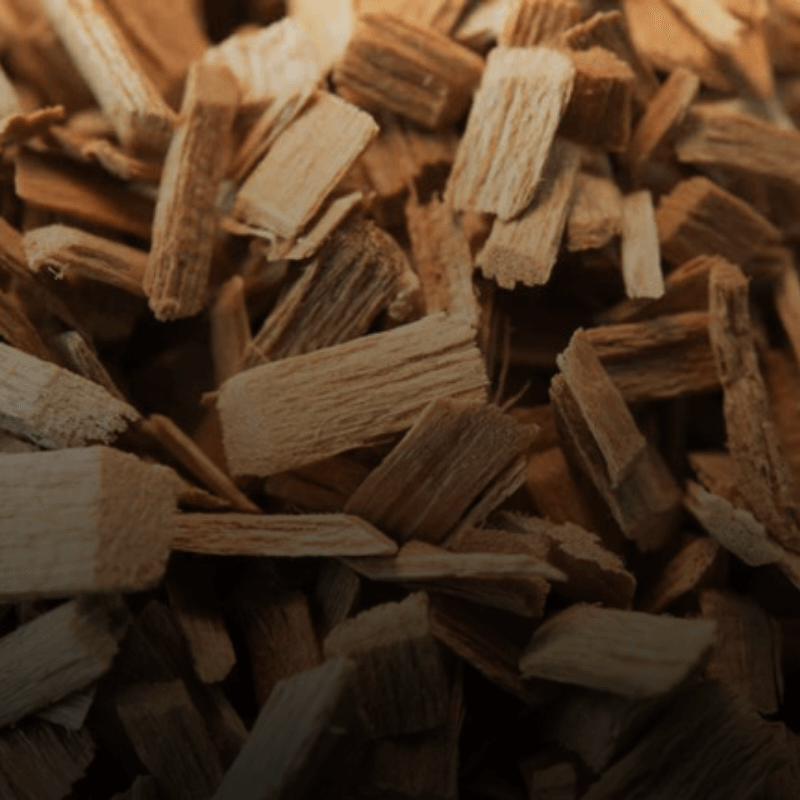
A double split, often called a small split, is a standard piece that has been split twice for a more manageable diameter (roughly 1 to 3 inches) and faster ignition. These smaller pieces are great for pizza ovens and other compact cookers where space is limited and fire control matters.
Pizza ovens need an active flame and high heat, but there is not room for a large piece of wood. Smaller splits let you add fuel in measured amounts, build a clean flame quickly, and avoid crowding the oven.
Small splits work well for:
-
Wood-fired pizza ovens
-
Compact smokers
-
Ceramic cookers
-
Santa Maria grills and live-fire cooking
-
Starting a fire before moving to larger pieces
ButlerWood’s Pizza Oven Splits are made for this application. Smaller pieces help cooks control the fire without turning the oven floor into a pile of oversized logs. In a compact oven, a smaller piece lets you build heat gradually instead of forcing a large split into a tight firebox.
Post Oak is a reliable choice when you want steady heat and mild, balanced smoke. Pecan gives a smooth, nutty profile. Mesquite burns hot and fast, which can work for quick grilling or in small amounts, but it has an intense smoke character and needs a lighter touch.
Standard Splits for Backyard Smokers
For most backyard offset smokers, a standard split with a 3 to 5-inch diameter is the right place to start. It provides enough mass for dependable heat but remains manageable enough to light cleanly and adjust during the cook.
ButlerWood’s cooking wood product specifications list 3 to 5-inch diameters for its 8-inch, 16-inch, and 18-inch cooking wood splits, including Post Oak, Hickory, Pecan, Apple, Cherry, and Mesquite. Browse ButlerWood’s Post Oak cooking wood for a dependable Texas barbecue staple.
Standard splits are a good fit for:
-
Backyard offset smokers
-
Medium-size smokers
-
Barrel smokers
-
Fire pits and fireplaces
-
Brisket, ribs, pork shoulder, chicken, and sausage cooks
For Texas brisket, standard Post Oak splits provide good control through a long cook. Post Oak produces clean, balanced smoke with a mild earthy flavor that supports beef instead of covering it up. For pork, Hickory provides a stronger, bacon-like smoke profile. For poultry, Pecan, Apple, or Cherry can deliver lighter smoke with a little sweetness.
Large Splits for Commercial Smokers
A commercial smoker is built to handle more fuel, more airflow, and longer cooking cycles. For those larger fireboxes, a longer 18-inch split is often the right fit.
Large splits hold more fuel than a smaller piece of wood, so they can support a longer burn once the coal bed and flame are established. That extra mass is useful in a commercial pit, where the goal is steady heat through a long service instead of frequent small fuel additions.
Large splits are more suited for:
-
Commercial offset smokers
-
Restaurant barbecue pits
-
Larger trailer-mounted smokers
-
Big fire pits and outdoor hearths
-
Long brisket, beef rib, and pork shoulder cooks
A large split should not be the first piece on a weak fire. It needs a solid coal base, proper airflow, and enough room around the log for the flame to develop. Add a large piece of wood too early, and it can smolder instead of burning cleanly.
For a restaurant running Post Oak through a full service, an 18-inch cooking wood split can reduce the number of reloads while keeping the pit supplied. ButlerWood cuts its Post Oak cooking wood in 8-inch, 16-inch, and 18-inch lengths at a 3 to 5-inch diameter, which lets a commercial pit run the same cooking-grade wood in the longer size.
Large split fire management
Large pieces are useful when the fire is already clean and steady. Use them to maintain heat, not to rescue a struggling fire.
A good sequence looks like this:
-
Start with smaller pieces and establish a clean flame.
-
Build a stable coal bed.
-
Move to standard splits for regular fire management.
-
Add a large split when the commercial firebox needs longer-lasting fuel.
Think of the coal bed as the wooden key to a clean-burning fire. It gives the next split enough heat to catch quickly instead of smoldering. A properly sized split acts like a wedge in the firebox: it should leave room for oxygen to move around the log, not pack the chamber so tightly that airflow stalls.
Some pieces naturally burn differently because of grain direction, density, or a knot. That is another reason consistent sizing matters for restaurant operators and backyard cooks alike. A ButlerWood order gives you better predictability than a mixed stack of random-sized wood.
Match Split Size to the Equipment
| Where the wood is going | Recommended split size | Best use | Species to consider |
|---|---|---|---|
| Pizza oven | Double split or small split | Fast ignition, active flame, tight firebox control | Post Oak, Pecan, Hickory |
| Compact smoker or ceramic cooker | Small split | Smaller fuel additions and easier fire management | Post Oak, Pecan, Apple |
| Backyard offset smoker | Standard split, 3 to 5-inch diameter | Everyday barbecue and long backyard cooks | Post Oak, Hickory, Pecan |
| Medium smoker | Standard split | Controlled heat with fewer reloads than small pieces | Post Oak, Pecan, Hickory |
| Commercial smoker | Standard 3 to 5-inch diameter split in a longer 18-inch length | Long service periods and larger fireboxes | Post Oak, Hickory, Pecan |
| Fireplace or outdoor fire pit | Standard or large split | Longer recreational burns | Firewood suited to the appliance |
| Wood stove | Follow the stove manufacturer's firewood length guidance | Safe loading and efficient operation | Properly aged firewood |
Firebox dimensions, airflow, species, weather, and the coal bed all affect how a piece of wood burns. The right type of wood and the right split size work together.
Do Not Overlook Wood Condition
Split size cannot make wet wood perform like dry wood. Wet wood is harder to light, reduces fire temperature, and can create more smoke. Green wood has a higher moisture content, while properly aged wood catches more predictably and supports a cleaner wood fire.
The U.S. Environmental Protection Agency’s Burn Wise best wood-burning practices recommend burning dry, split, well-seasoned wood and state that wood burns best at less than 20 percent moisture content. The agency also advises against burning wet or green wood.
At ButlerWood, wood is naturally aged in the Texas sun, then heat-treated to a minimum of 160°F for at least 75 minutes under USDA Schedule T314-c. That in-house process, along with ButlerWood’s own land clearing, production, trucking, and logistics, helps maintain consistent quality from the yard to the customer. Learn more about ButlerWood.
Choose the Right Split From ButlerWood
There is no one-size-fits-all answer. Small splits give pizza ovens and compact cookers fast response. Standard 3 to 5-inch diameter splits fit most backyard smokers. Longer 18-inch splits belong in commercial smokers and other larger fireboxes where a longer burn is the goal.
ButlerWood has been supplying premium cooking wood and firewood from Central Texas since 2004. We source our own wood, process it in-house, and manage our own logistics instead of relying on inconsistent reseller inventory. That gives backyard cooks, barbecue restaurants, pitmasters, and wholesale buyers a more dependable wood supply.
Ready to buy split wood that matches your equipment? Shop ButlerWood cooking wood, order Post Oak cooking wood, or contact our team for bulk and wholesale needs. We will help you get the right split, species, and quantity for your pit.
Frequently Asked Questions
What split size is best for a pizza oven? +
A small or double split is best for most pizza ovens. Smaller pieces catch quickly, maintain an active flame, and fit compact fireboxes without blocking airflow.
What size split should I use in a backyard smoker? +
Most backyard smokers perform well with a standard split measuring roughly 3 to 5 inches in diameter. This size gives you a balance of burn time, heat control, and easy loading.
Are 18-inch splits only for commercial smokers? +
No. An 18-inch split can work in any large firebox, including larger offsets, fireplaces, and outdoor fire pits. Still, it is especially useful in commercial smokers that need longer burn times and have room for larger pieces.
Can I use large splits to start my fire? +
It is better to begin with smaller pieces, establish a flame and coal bed, then add standard or large splits. A large piece on a weak fire may smolder and produce heavier smoke.
Does split size change BBQ flavor? +
Split size mainly changes burn rate and heat control. Wood species has a greater effect on flavor. Use Post Oak for balanced Texas-style smoke, Hickory for a bolder profile, Pecan for smooth nuttiness, and Apple or Cherry for lighter sweetness.