How Do You Start a Wood Fire? The Easy Way With the Right Wood
Short answer: The easiest way to start a wood fire is to build it with dry, aged wood, stack tinder and kindling over a base of logs, and light it using the top-down method. Good wood does most of the work for you.
Starting a fire looks simple until you are kneeling in front of a fire pit, out of matches, watching a log just sit there and smoke. The secret is not a trick. It is the wood. Dry, aged wood catches fast and burns clean. Wet wood fights you the whole way. Get the wood right, and a good fire comes together in a few minutes in a backyard fire pit, a fireplace, or a wood stove.
Start With the Right Wood
The biggest reason a wood fire will not start is moisture. Green or wet firewood holds water that has to boil off before the wood can burn, so it smolders, throws heavy wood smoke, and coats your chimney with creosote buildup. Dry wood lights easily, puts out more heat, and gives you less smoke. Seasoned wood that has come down to the right moisture content burns with a clean, almost clear flame instead.
A few quick ways to spot dry wood:
-
It feels light for its size and sounds hollow when two pieces knock together.
-
The ends are cracked and gray, not green or damp.
-
The bark comes off easily.

Gather the Right Materials
A fire climbs from small to large. Set out three sizes of fuel before you strike a match so you are not scrambling once the flame catches.
-
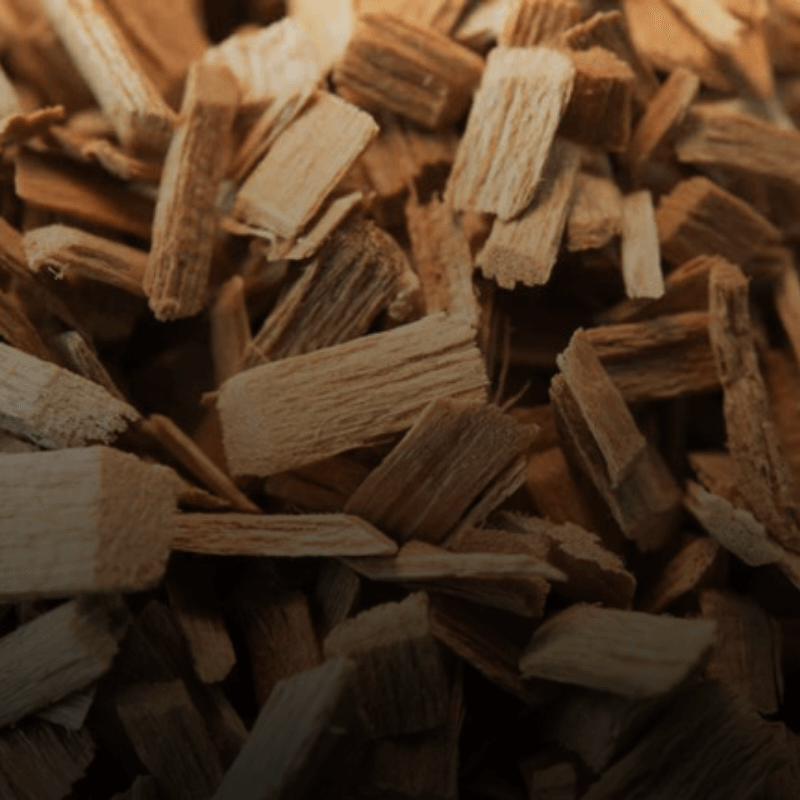
Tinder. This is the flammable material that catches the first spark. Newspaper, wood shavings, dry bark, a cotton ball rubbed with petroleum jelly, or a bit of dryer lint all work as a fire starter. ButlerWood no longer stocks fire starters, so a handful of these household odds and ends does the same job.
-
Kindling. Small pieces of dry wood from pencil to thumb thickness. Split a few smaller pieces off a larger log if you do not have any on hand.
-
Firewood. Your larger logs. These are the fuel that gives you a long, steady burn once the fire is going.
Skip the lighter fluid. It flashes off fast, adds nothing to your burn time, and has no place in a fireplace or stove.
How Do You Start a Wood Fire? Use the Top-Down Method
Most people build a fire upside down, with paper on the bottom and logs piled on top, then wonder why it smothers. The top-down method flips that. You light it from the top and let it burn down into the fuel below. It needs less tending, burns cleaner, and gives you a longer burn time.
Here is how it works, step by step:
-
Lay two or three larger logs side by side on the floor of your fire pit or fireplace.
-
Stack a layer of kindling crosswise on top of the logs, leaving gaps for air.
-
Add a small nest of tinder on top of the kindling.
-
Light the tinder. The flame works down into the kindling, which lights the logs underneath.
-
Leave it alone. Resist stacking more wood on right away, since a new fire needs airflow more than it needs fuel.
Done right, you get a successful fire that settles into a clean burn on its own, plus the longest burn time out of that first load of wood.
The Quick Campfire Version
Outdoors in a fire ring, a bottom-up build is fine and fast. Put your tinder down first, lean kindling over it in a small teepee, and add the logs once the kindling is burning well. It lights quickly, which is handy for car camping when you just want heat and a place to cook. Keep a wood-burning fire pit or fire ring clear of low branches, and follow basic campfire safety by keeping water within reach.

Fire Pit, Fireplace, or Wood Stove
The same wood works across all three, with a few notes for each.
-
Fire pit or fire ring: A wood-burning fire pit outside needs dry, split wood and open airflow. Mind the wind and give the fire room.
-
Fireplace: Use seasoned hardwood and open the damper fully before you light, or smoke rolls back into the room.
-
Wood stove: A wood-burning stove burns most efficiently on seasoned wood with the air control open at the start, then dialed back once it is going. That keeps enough heat in the fire to limit creosote buildup in the pipe. Have the chimney checked yearly.
One more thing before any outdoor fire: check for a burn ban. Dry stretches trigger a burn ban across much of Texas and the plains, and a wood-burning fire pit is usually covered. A quick look at your county rules keeps a fun night from turning into a fine.

Why the Right Firewood Makes It Easy
A fire is only as good as the wood under it, and that is where ButlerWood comes in. We are a family-run operation in Central Texas that clears, cuts, and naturally seasons its own hardwood, then ships it across all 50 states. Our post oak firewood is aged about 12 months for a clean burn and cut to fit standard fireplaces and outdoor fire pits, and our New Mexico pinon brings a rich aroma that even helps keep the mosquitoes off. Because we handle the wood from the field forward, you get a consistent product instead of a mixed pallet of wet and dry.
That same care goes into every cord of firewood we sell, in true 128-cubic-foot cords, not the short face cords a lot of sellers pass off. Ready to make your next fire an easy one? Shop the firewood collection, grab a half cord of post oak or a cord of pinon, or call the yard. You can also learn how we do it on our about us page.
Frequently Asked Questions
How do you start a wood fire without lighter fluid? +
Build it with tinder, kindling, and dry logs, then light the tinder. Newspaper, wood shavings, or a cotton ball with a little petroleum jelly will catch a flame and light your kindling with no fluid needed. Building from the top down makes it even easier.
What is the top-down method for starting a fire? +
You stack the logs on the bottom, kindling in the middle, and tinder on top, then light the top. The fire burns downward into the fuel. It produces less smoke and a longer burn time than a bottom-up build and needs almost no tending.
Why won't my wood fire stay lit? +
Usually, the wood is wet or green. High moisture content keeps wood from catching and makes it smoke instead of burning. Wet firewood, too little kindling, or a fire packed so tight that air cannot move are the common causes.
What is the best wood for starting a fire easily? +
Dry, seasoned hardwood such as post oak. It lights readily, gives good heat output, and burns clean. Use smaller pieces and kindling to get the flame going, then larger pieces for a longer, steadier burn.
Can I burn the same firewood in a fire pit and a wood stove? +
Yes. Dry, seasoned firewood works in a fire pit, fireplace, and stove. Check for a local burn ban before any outdoor fire, and keep stove wood dry to cut down on creosote buildup.