How to Start a Fire in a Fireplace: A Step-by-Step Guide Using Properly Seasoned Wood

Short answer: To start a fire in a fireplace, open the damper, lay a base of properly seasoned hardwood and kindling over the grate, place a fire starter underneath, and light it. Good, dry wood does most of the work for you, producing a clean-burning fire with less smoke and far less creosote buildup in your chimney.
A fireplace fire should be simple. The problem most people have is fighting their wood instead of letting it work. Damp or green wood hisses, smokes, and refuses to catch. Start with well-seasoned wood, and the rest of the process falls into place.
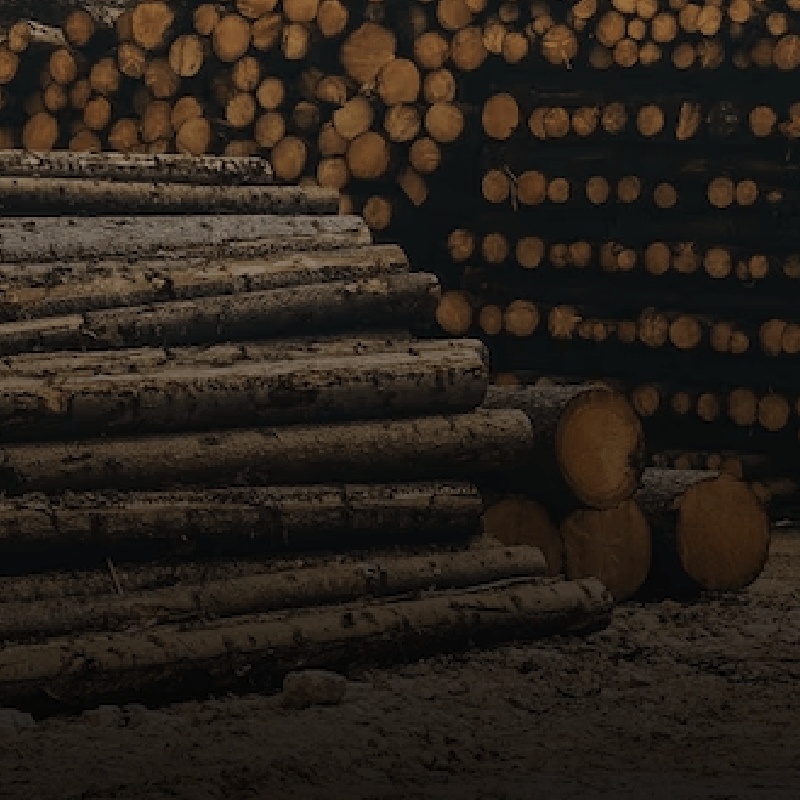
We have spent more than 21 years aging and shipping hardwood from our two Central Texas yards, and the same wood that goes into a championship pitmaster's smoker is what you want crackling in your hearth on a cold night. Here is how to build a fireplace fire the right way, step by step.
Start With the Right Wood
Before you strike a single match, get your fuel sorted. The wood you burn decides whether you get a clean, steady fire or a smoky mess.
-
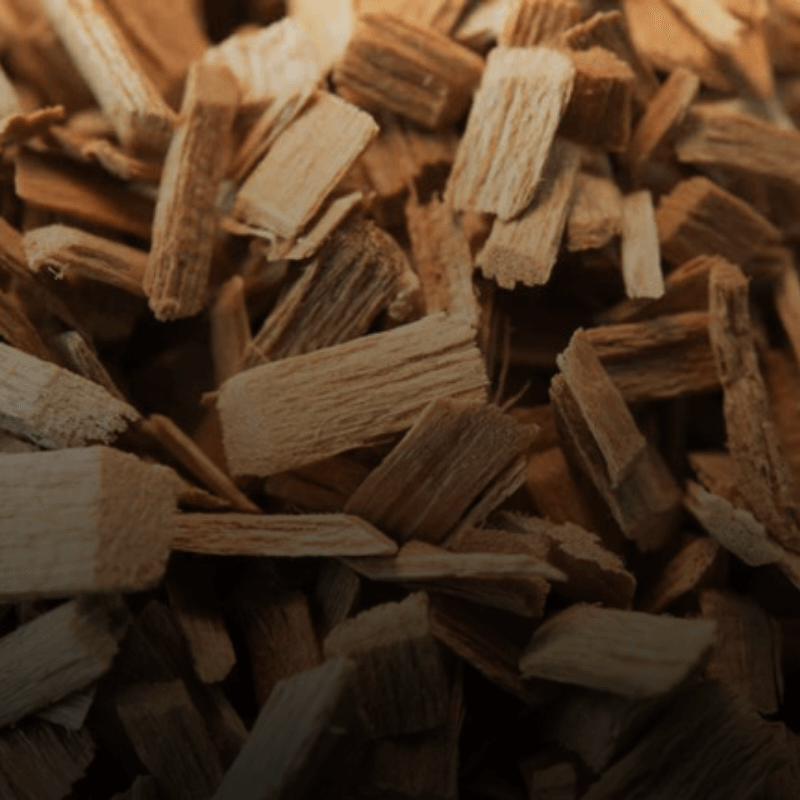
Use seasoned hardwood. Dense hardwoods like post oak burn hotter and longer than softwoods, and well-seasoned wood at a low moisture content lights easily and throws off less smoke.
-
Avoid green wood. Green wood is loaded with moisture. It is hard to light, burns dirty, and is the fastest way to coat your chimney in creosote.
-
Keep sizes sorted. You want a mix: smaller logs and kindling to get things going, and your larger logs to carry the burn time once the fire is established.
ButlerWood firewood is dense, clean-burning hardwood, perfect for a wood-burning fireplace or wood stove. If you want the same post oak the restaurants use, our cooking wood splits work beautifully in the hearth, too.
Open the Damper and Check Your Setup
Cold air sitting in the chimney is what causes a room to fill with smoke when you first light up. Open the damper fully before you do anything else.
- Open the damper. Reach up and confirm the damper opening is all the way open. This gives your fire the air supply it needs and gives smoke a clear path up the chimney.
- Check for a draft. If you feel cold air pouring down, your chimney is full of cold air. Lighting a small piece of kindling and holding it near the damper opening helps warm the flue and reverse that downdraft before you build the full fire.
- Clear the fireplace area. Move any flammable materials, rugs, or combustible materials back from the fireplace opening. Keep a fireplace screen or metal mesh screen ready to put in place once the fire is going.
Build Your Base Over the Grate
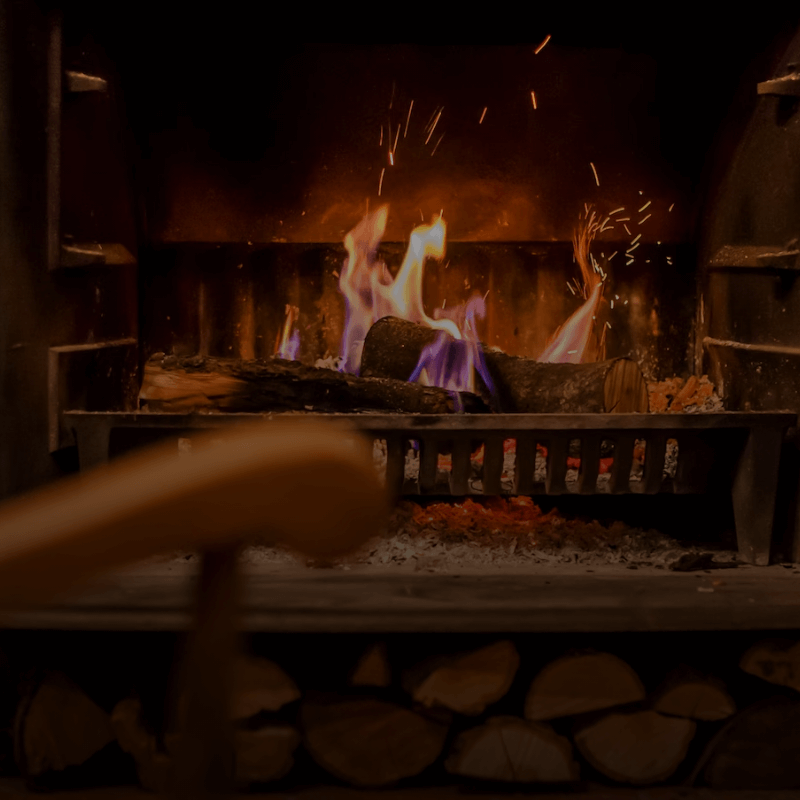
A good fire is built, not piled. Using a fireplace grate keeps your wood up off the ash bed and lets air move underneath, which is what feeds a clean-burning fire.
Here is the method we use in our own demonstration, which walks through starting a fire with a beeswax fire starter, kindling, and a post oak log:
The setup is straightforward:
-
Place a round log or split toward the back of the fireplace grate, then set your fire starter on the grate roughly three inches below it
-
Stack a few pieces of kindling about three inches above where the flame will be, leaving gaps for air
-
Save your largest logs for once the fire is established, adding them as the smaller pieces catch fire
As Jake Butler says in the walkthrough, "For all those who are first-time fire starters, fireplace builders, this is a really easy method for getting it done. Anyone can do it."
A natural beeswax and sawdust fire starter does the heavy lifting, so you are not reaching for flammable liquids or lighter fluid.
Light It and Let It Work
This is the easy part, as long as you built the base right.
- Light the fire starter, not the logs. Touch the flame to the fire starter and let it go. It will catch the kindling, which catches the smaller logs, which heats up your largest logs.
- Leave it alone. Resist the urge to poke and rearrange. Give it about ten minutes, and a properly built fire will establish itself into a steady wood fire.
- Add larger logs as needed. Once you have a solid bed of flame and coals, add your larger logs one at a time to extend the burn time.
Never use flammable liquids to start or revive a fireplace fire. They are a serious fire hazard indoors and can flash dangerously.

Tend the Fire Safely
A fireplace is a controlled fire, and a few habits keep it that way. The National Fire Protection Association offers solid home heating guidance worth following, and the basics come down to a few simple habits:
-
Keep the screen up. A fireplace screen or metal mesh screen stops sparks and embers from reaching the fireplace area and any combustible material nearby.
-
Keep tools and safety gear close. Basic fireplace tools, a fire extinguisher within reach, and a working carbon monoxide detector are smart for any home with a wood-burning fireplace.
-
Manage the ash bed. A thin ash bed actually helps insulate the next fire, but clear excess ash into a metal container and never store it indoors or near anything flammable.
-
Mind the damper. Keep the damper open until the fire is completely out and the embers are cold. Closing it early traps carbon monoxide in your home.
Put It Out and Maintain Your Chimney
When you are done, spread the embers with a poker so they cool faster, then close the damper only once everything is cold to the touch. Shovel cold ashes into a metal container and store it outside on a non-combustible surface.
Maintenance matters as much as technique. Burning seasoned hardwood instead of green wood dramatically cuts creosote buildup, which is the leading cause of a chimney fire. The EPA's Burn Wise program points to well-seasoned wood at the right moisture content as the key to a cleaner, more efficient burn, and that is exactly what keeps your flue clean. Even so, schedule a chimney sweep at least once a year. Regular inspection keeps your chimney clear, lowers the risk of home fires, and keeps every fire burning clean.

Why ButlerWood Firewood Burns Better
Here is what sets our wood apart. We are vertically integrated, which means we control the product from field to fireplace. We clear our own land, age the wood naturally in the Texas sun, and heat-treat it to meet USDA standards before it ever ships.
Austin Butler, ButlerWood Co-Owner, explains: "Having the ability to control your own destiny from field to barbecue pit has always been the goal."
That same standard goes into every split we sell, whether it is heading to a steakhouse or your living room. Every piece is hand-sorted, so only clean, dense, properly aged hardwood makes the cut.
Ready to stock up? Browse our firewood and cooking wood collections, place a bulk order for the season, or learn more about our heat treatment process. We ship to all 50 states, so a cleaner, hotter fire is only a few clicks away.
Frequently Asked Questions
What is the best wood to start a fire in a fireplace? +
Seasoned hardwood is the best choice. Dense hardwoods like post oak light easily when properly aged, burn hot and long, and produce less smoke than softwood or green wood. Start with kindling and smaller logs, then add your larger logs once the fire is established.
Why does my fireplace fill the room with smoke? +
The most common cause is a closed or partially closed damper, or cold air trapped in the chimney creating a downdraft. Open the damper fully and warm the flue with a piece of burning kindling before lighting the main fire. Burning green wood instead of dry wood also produces excess smoke.
How do I keep creosote from building up in my chimney? +
Burn only well-seasoned wood with a low moisture content. Green wood and damp wood are the biggest contributors to creosote buildup, which fuels chimney fires. Pair good fuel with a yearly chimney sweep to keep your chimney clear.
Do I need a fireplace grate to build a fire? +
A fireplace grate is not strictly required, but it helps a lot. It lifts the wood off the ash bed and lets air flow underneath, which feeds a cleaner, more efficient fire. It also makes it easier to arrange your round log base and kindling.
Can I use the same firewood in a wood stove or outdoor fireplace? +
Yes. Seasoned hardwood works well in a wood-burning fireplace, a wood stove, and a portable outdoor fireplace alike. The same rules apply: dry wood, good air supply, and an open damper or air vents for a clean-burning fire.